


Ford suspends construction of battery plant, profitability in question
American carmaker Ford announced on Monday that it was suspending construction work on a battery plant in Michigan, citing concerns about the site's profitability once up and running.
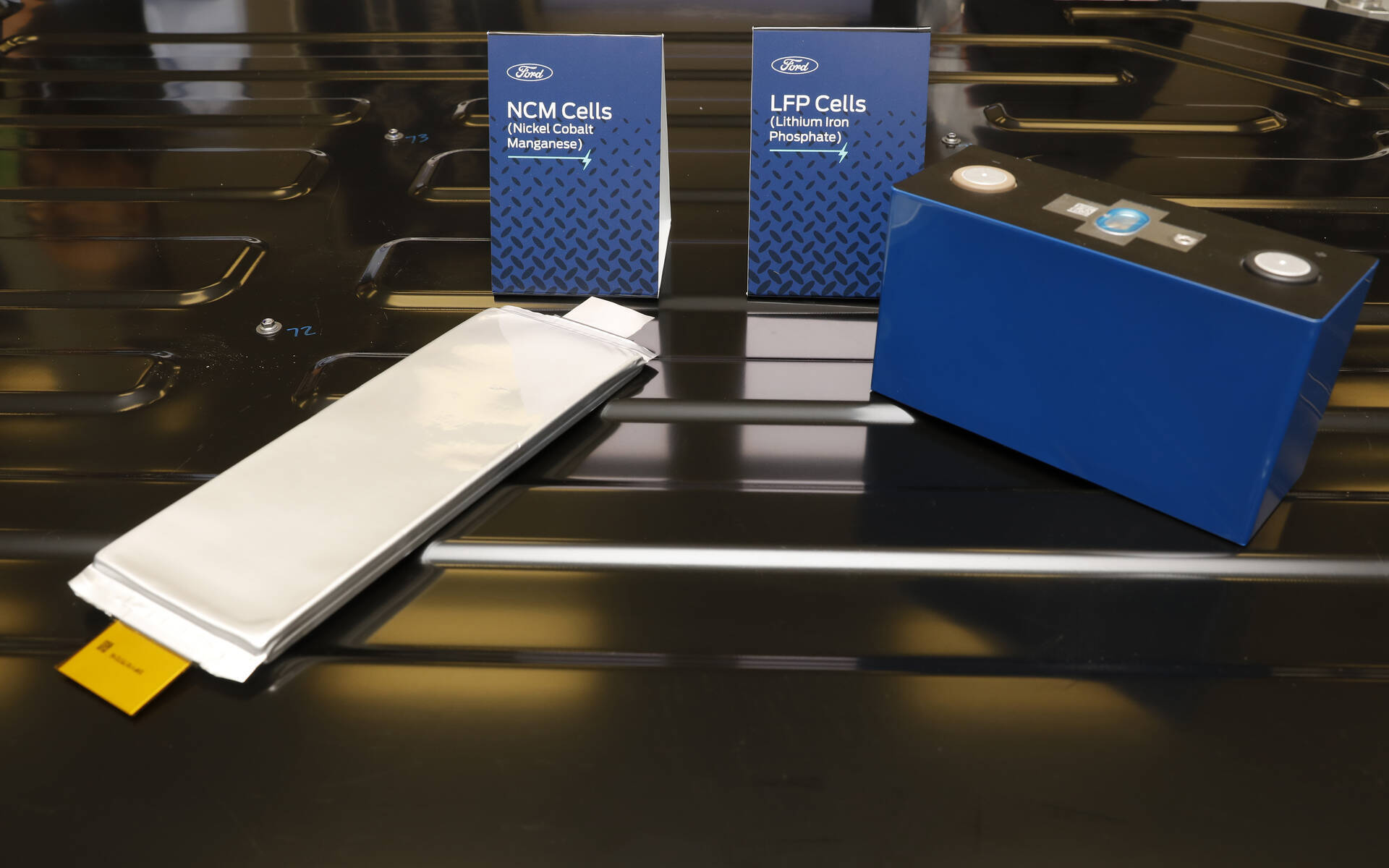
The plant will manufacture lithium-iron-phosphate (LFP) batteries, which are different from and less expensive than the nickel-cobalt-manganese (NCM) batteries currently used by the Group.
"We are suspending work and limiting spending on the Marshall project until we are confident in our ability to operate the plant competitively," Ford said in a statement forwarded to AFP by a spokesperson. "We have not made a final decision on this investment."
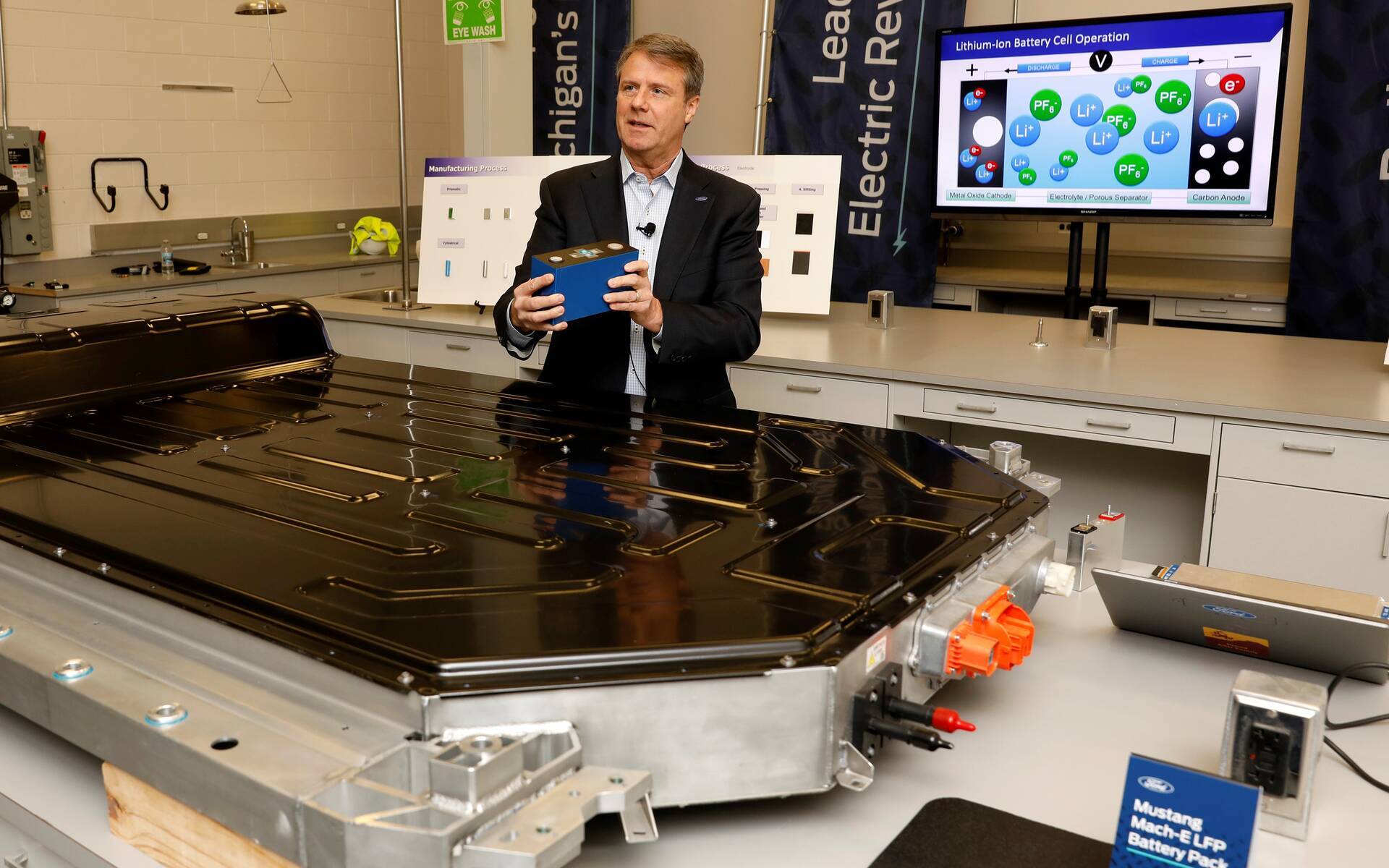
Questioned by AFP, the spokesman assured that there was no link between this decision and the strike currently underway at the automaker, in the absence of an agreement with the UAW (United Auto Workers) union on a new collective bargaining agreement.
This is a setback for the State of Michigan and local authorities, who have allocated hundreds of millions of dollars to the project for site development and access, as well as colossal tax breaks. In all, the incentives amount to more than a billion dollars.
For its part, Ford has pledged to spend $3.5 billion on the project, set up in partnership with one of China's leading battery manufacturers, Contemporary Amperex Technology (CATL), whose technology will be used under license.
Presented in mid-February, the project, called BlueOval Battery Park Michigan, is located in the city of Marshall, and should theoretically be operational in 2026, with 2,500 jobs at stake.
Several elected Republicans opposed the partnership, refusing to see Ford ally itself with a Chinese company.
For the same reasons, the Republican governor of Virginia, Glenn Youngkin, indicated in January that he did not want his state to host the plant.
In March 2022, Ford announced its intention to spend a total of $50 billion on electrifying its vehicle range between 2022 and 2026.