

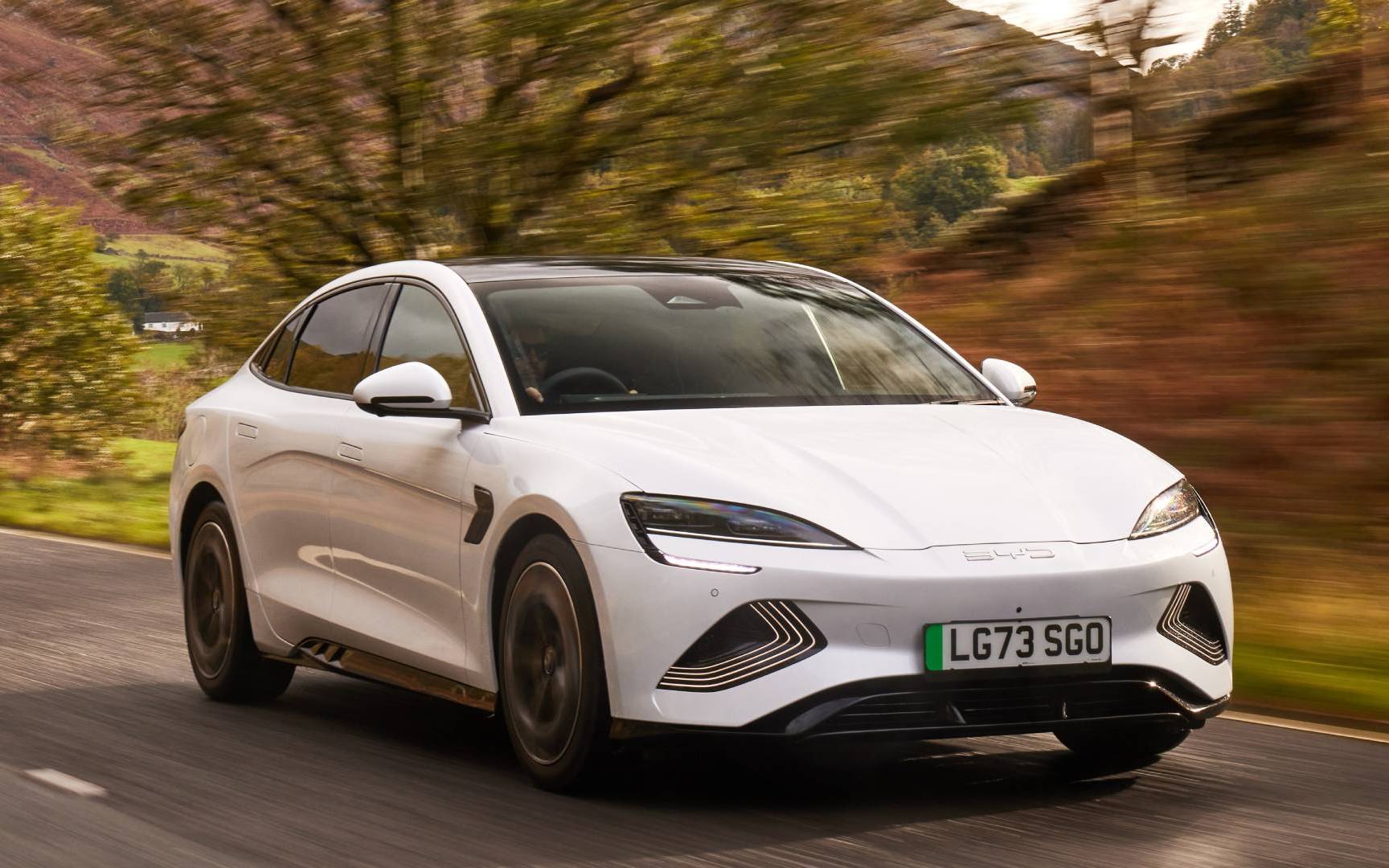
Chinese electric cars arrive in Canada
That's it. The Carney government has authorized its Chinese counterpart to sell electric vehicles on the Canadian market. These vehicles are manufactured in China, but cannot be sold for more than $35,000, and the number of units is limited to 49,000. The agreement also stipulates that the Chinese government must invest in Canada in the manufacture of parts and/or electric vehicles, so that the already threatened Canadian automotive industry does not suffer further.
Few details on the timelines and rules regarding this last point have been revealed at this time, but I believe the Carney government has chosen a reassuring path for Canada, which would inevitably have allowed the sale of these vehicles on our territory sooner or later. A cap of $35,000 for 50% of vehicles sold within five years will also allow consumers to benefit from offers that other manufacturers are currently unable to provide on the market.
It should be noted that, at present, the least expensive electric vehicles at the manufacturer's suggested retail price are available for around $40,000. These include the Fiat 500e, the new Kia EV4, and the Chevrolet Bolt 2027, which is making a comeback on our market. Otherwise, prices rise dramatically. With a cap of $35,000, Chinese manufacturers will have to be creative. This will also force manufacturers offering higher-priced vehicles to adjust, especially if they are models in a similar niche.
For example, by marketing a vehicle such as the BYD Atto 3, the manufacturer would be competing directly with the Chevrolet Bolt, the Nissan Leaf, and the future Toyota C-HR. Indeed, if there is one manufacturer that is likely to make its mark in our market, it is BYD (Build Your Dreams). It is the only manufacturer to have surpassed Tesla's vehicle sales worldwide, which speaks volumes about its success. BYD has a global presence and offers high-quality, competitively priced products. We could thus benefit from models such as the Seal, Seal U, and Dolphin. And clearly, even if profitability is not there in the early years, BYD will undoubtedly not see this as an issue. The goal is first to get a foothold in the market, then to establish itself and gain the public's trust. This will be achieved through a well-established dealer network, an attractive brand image and, above all, quality and reliability that will silence all those who fear that the Chinese only produce junk.
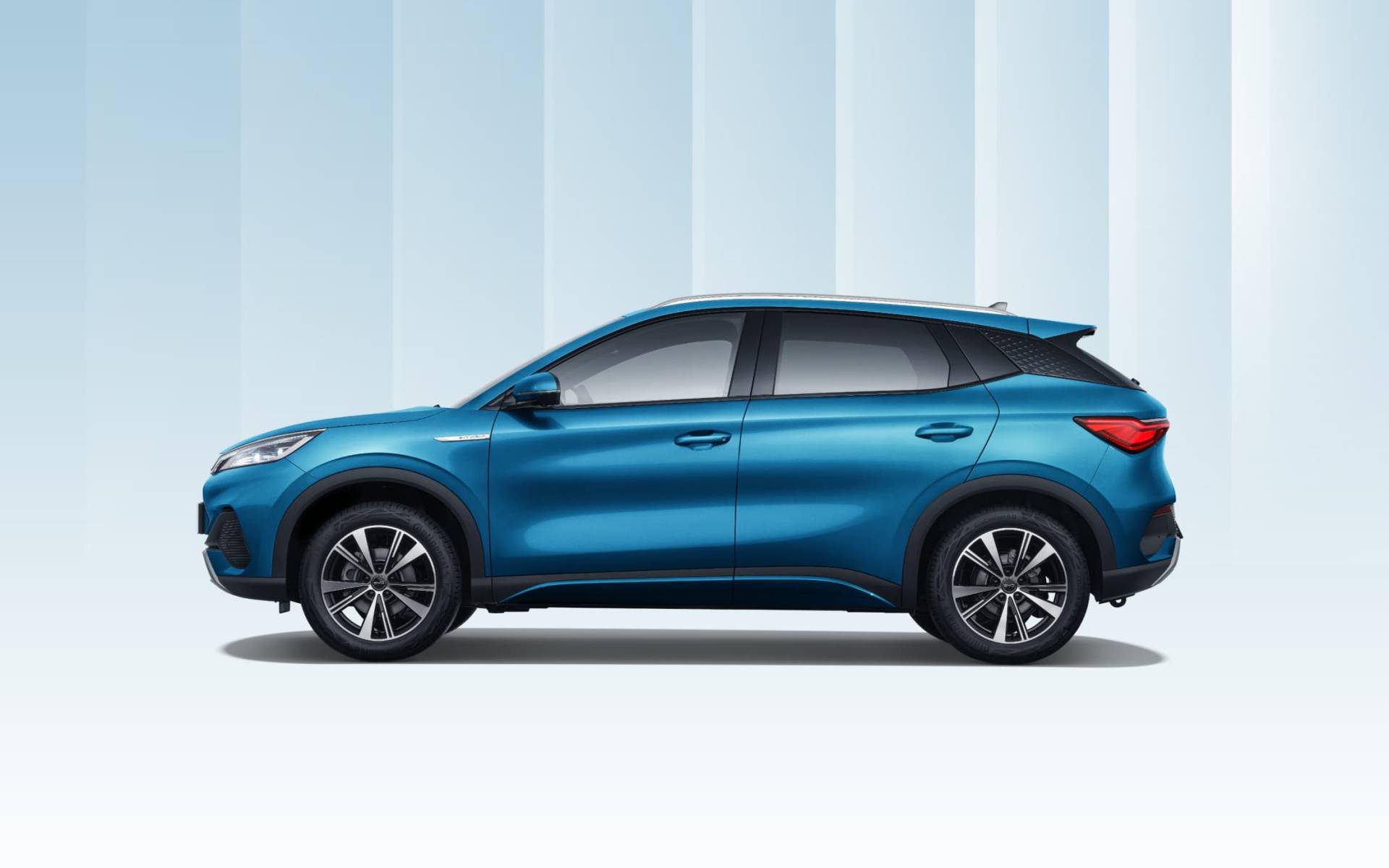
Rest assured, BYD products will prevail. They have done so all over the world. And since Canadians, and especially Quebecers, are fond of good value, the public will see the appeal. So much so that the 49,000 units produced annually could sell out in just a few months. Once established, the Chinese will have the freedom to renegotiate their agreements, especially if they show goodwill.
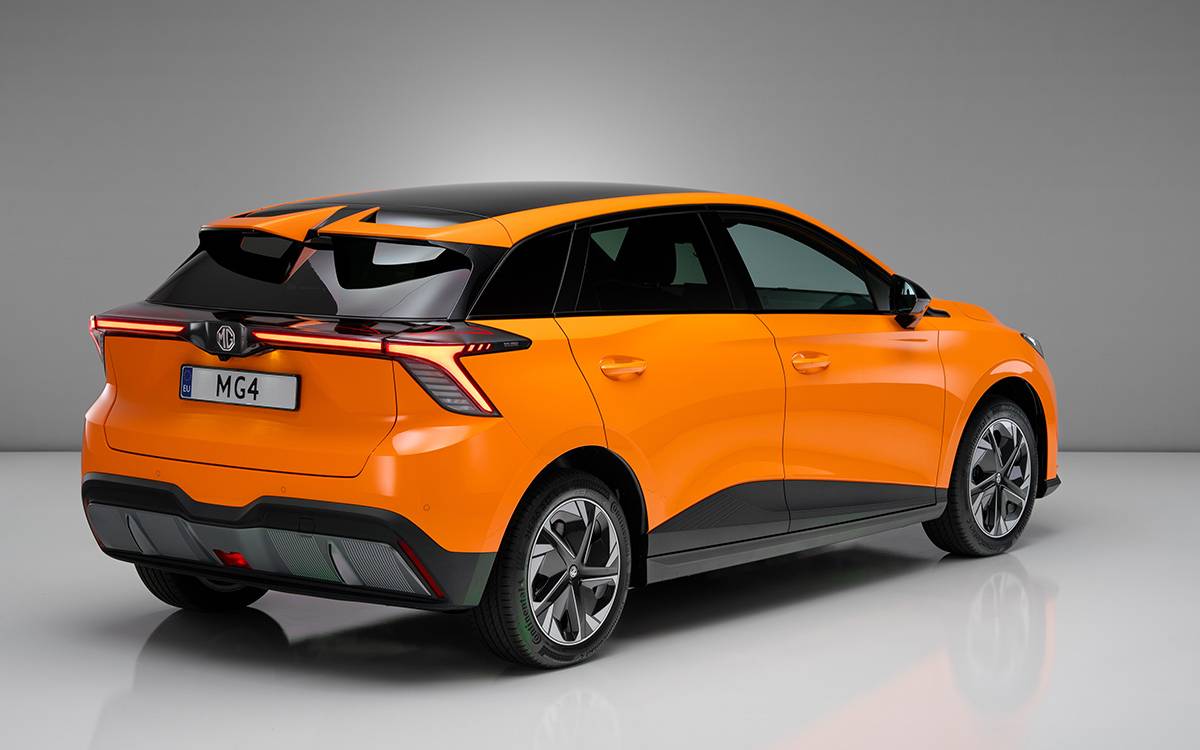
Why a ceiling of 49,000 units?
This will prevent various Chinese manufacturers from setting up shop and engaging in what is known in the industry as “dumping.” That is, selling at a loss and in large volumes with the sole aim of flooding the market and then invading it. This is obviously not what the government and the automotive industry, which is seeking balance, want.
To give you an idea, Mazda alone sold approximately 80,000 vehicles in the country last year. Hyundai sold around 150,000, while General Motors sold close to 300,000. Even a small player like Mitsubishi sells more than 35,000 vehicles annually in the country, meaning that, at best, two or three Chinese manufacturers could initially decide to set up shop here with the aim of selling a limited number of models.
Nevertheless, the mere fact of setting foot in the country represents a drastic change in the way vehicles are sold here. In a market without subsidies, where several manufacturers will have to adjust and where certain brands will be more threatened. Tesla? Of course. But even more so VinFast, which is currently struggling with only five dealerships in the country. A manufacturer whose products are of uneven quality and disappoint due to their irreparability and multiple design flaws. While in 2023, availability, price, and warranty were good selling points for VinFast, this is no longer the case today. And with the arrival of Chinese manufacturers, it's a bit like nailing the coffin shut.
What is the real threat?
Clearly, it is a negative reaction from Donald Trump following this announcement. How might he react? What could the consequences be? New tariffs imposed on Canadian-imported vehicles? Who knows how this unpredictable and impulsive man might react? One thing is certain: it will not improve trade relations with the United States, which is trying by all means to limit its dependence on China.
That said, Mark Carney played his cards right, in my opinion. By capping prices, limiting the number of units, and above all, forcing China to invest in our country and create jobs. And by imposing rules that protect existing players, such as the Canadian automotive industry, to a certain extent.
However, the Chinese could be creative in circumventing certain rules. For example, by playing with the model year of their vehicles to try to stretch out negotiations and thus sell a few more units than allowed. By lowering the suggested retail price but imposing excessive transportation costs, bringing the bill to over $40,000.
Also, by drastically lowering the residual value of their vehicles, which, according to the contract, could not be repurchased by consumers at the end of the term. This would allow them to lease at a higher price and recover an amount greater than the residual value when reselling on an auction market. This is a way of offering vehicles that are worth $40,000 or even $50,000, but are advertised at $34,999...
In short, this represents a new challenge and new horizons for an industry that is constantly evolving, but which will ultimately benefit consumers. Because we are paying more and more, due to a lack of attractive offers, and because the arrival of new Chinese manufacturers will force some manufacturers to review their strategies. They may choose to bring back simpler, more affordable vehicles, which, incidentally, could also be assembled in China.