

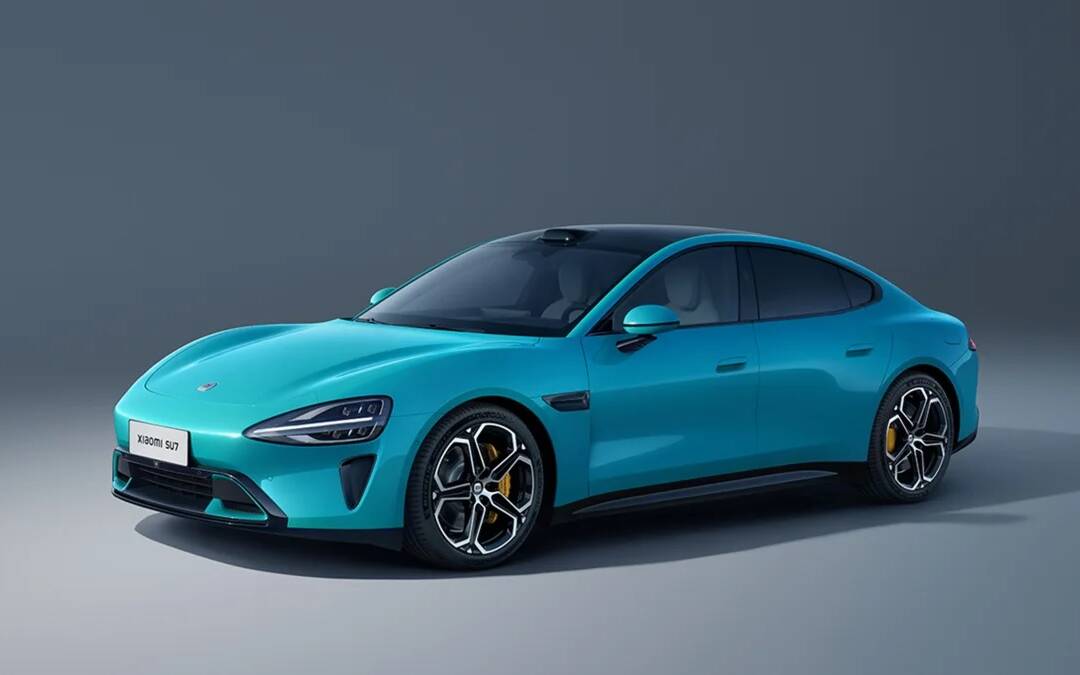
Another telephone manufacturer launches into electric vehicles
After Huawei and Foxconn (makers of Apple's iPhone), another player in the telephony sector is entering the field of electric vehicles.
Chinese manufacturer Xiaomi, which doesn't sell products in North America but is one of the world's top three, has just unveiled its first vehicle, a sedan called SU7 (the two letters stand for "Speed Ultra"). The aim is to launch it in China within the next few months, followed by other markets around the world, but no further details are available at present.
Built on a platform apparently developed in-house and christened Modena, the SU7 can accommodate various combinations of motors and batteries. The figures provided by Xiaomi are very interesting.
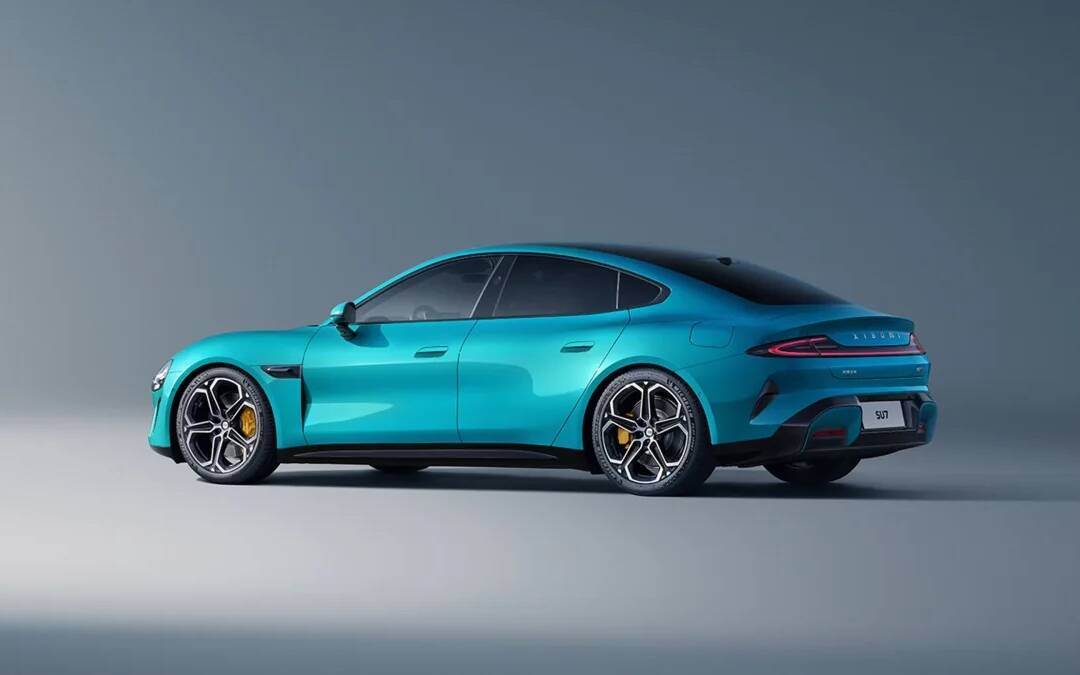
The basic single-engine model generates 294 hp backed by 295 lb-ft of torque, and is said to accelerate from 0 to 100 km/h in 5.3 seconds. At the other end of the scale is a two-motor, four-wheel-drive model with 664 hp and 614 lb-ft of torque. The same sprint takes just 2.8 seconds. The company says it used the Porsche Taycan Turbo as a performance benchmark.
As for range, it varies from 668 to 800 km with a fully charged battery, but please understand that these figures are calculated according to Chinese methodology, which is even more optimistic than the WLTP standard used in Japan and Europe, which itself is more generous than ours in North America.
The SU7's design is more elegant than the average Chinese vehicle, partly because it is the work of a former BMW stylist. German and Italian influences are clearly evident. Note the protuberance at the top of the windshield, housing cameras and radars for the active safety and semi-autonomous driving systems.
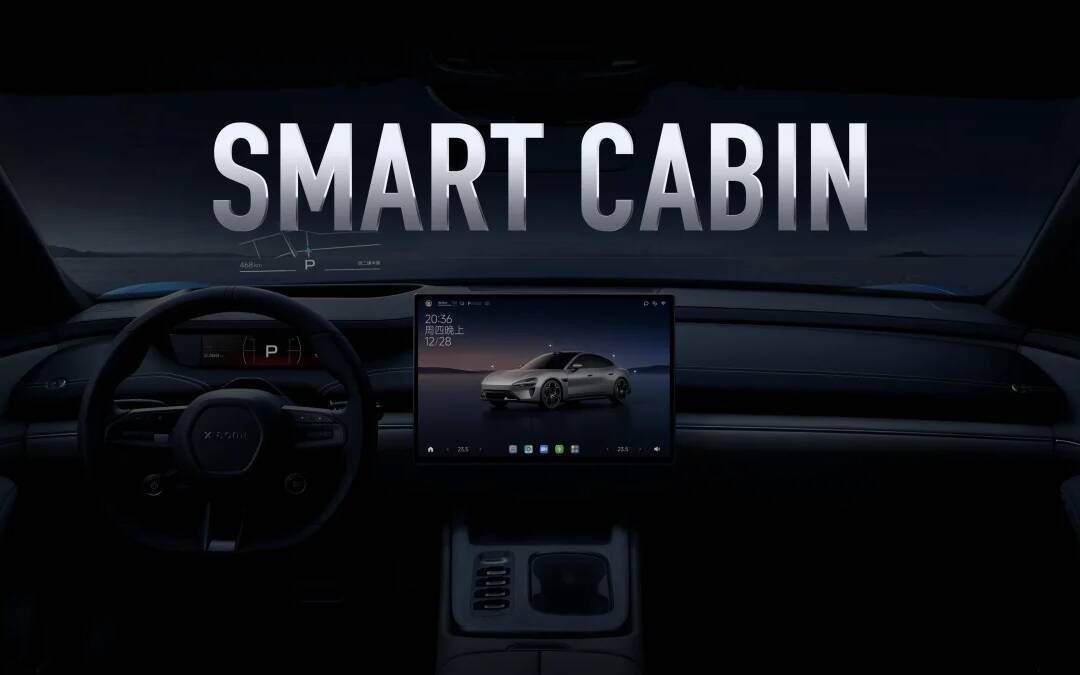
A single image of the interior has been provided by Xiaomi, showing a small digital dashboard with a head-up display, a sports steering wheel with two intriguing circular buttons (presumably for driving modes) and a large central screen reminiscent of Tesla.
Another Chinese car, the BYD Seal, recently broke into the Mexican market as a direct alternative to the Tesla Model 3. It remains to be seen whether the company will extend its tentacles northwards in the years to come.