

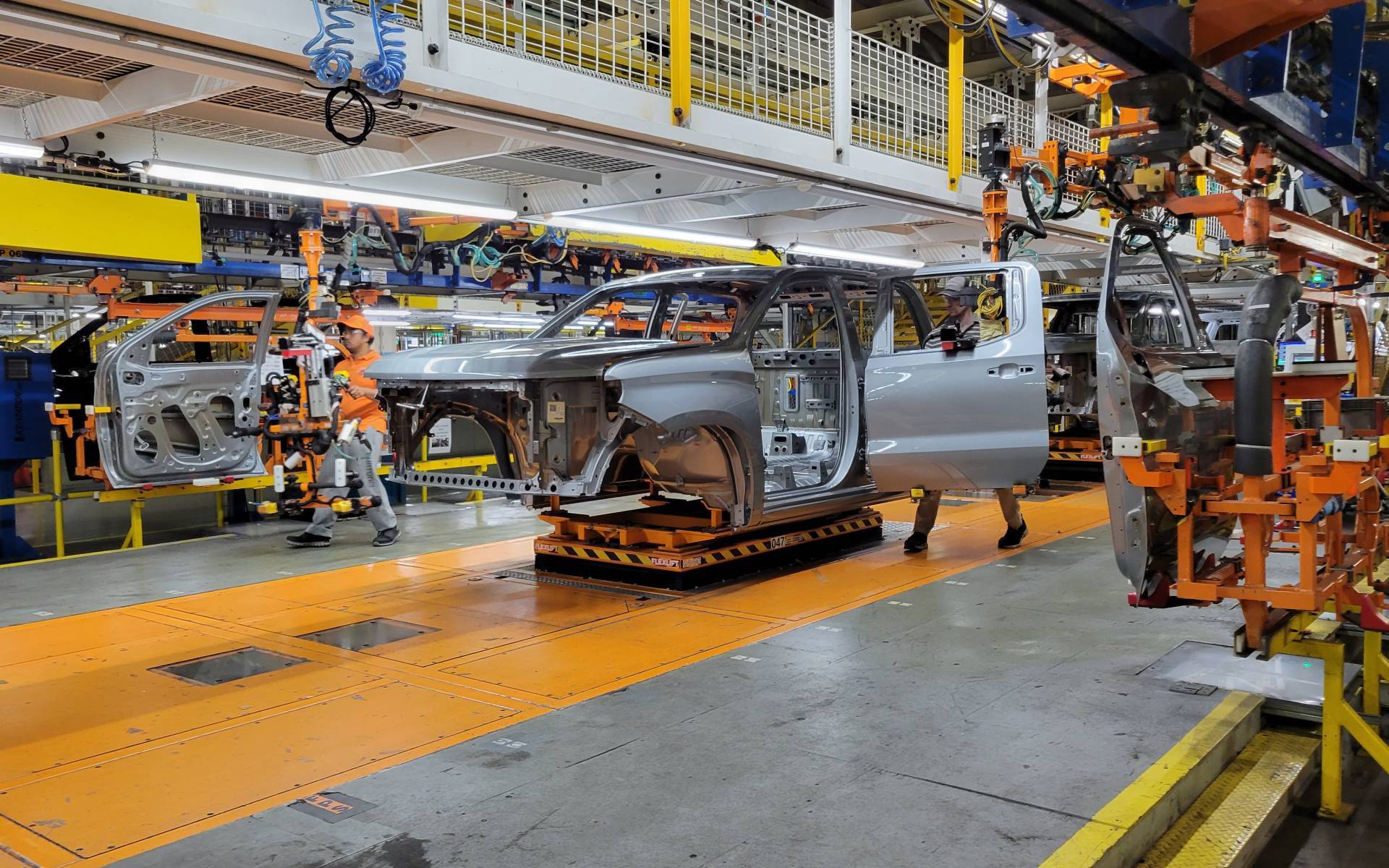
25% tariffs on Canadian automobiles
The American president has announced the imposition of 25% customs tariffs on cars and light trucks manufactured outside the United States as of April 2.
After steel and aluminum, and awaiting lumber and copper, US President Donald Trump added a new sector to his list on Wednesday: automobiles.
By announcing tariffs of 25% on foreign-made cars and light trucks, the American president believes that such a measure will revive the American automotive industry and enable $100 billion of investment in the industry in the USA.
This is a major blow for non-US automakers, already hit by 25% customs tariffs on aluminum and steel, effective since mid-March.

American consumers will also be able to take advantage of tax deductions if they buy American-made automobiles, Trump added.
Industry in turmoil
At the beginning of February, the announcement of 25% customs tariffs on Canadian and Mexican products sent shockwaves through the sector, despite the fact that the production chain of the major American automakers is largely integrated between the three North American countries.
Their postponement until April 2 came as a relief to the industry, before those imposed this time on steel and aluminum, effective since mid-March, put them under renewed pressure.
Almost half of the steel and aluminum consumed by American industries is imported.
Under the principle of “reciprocal” tariffs, products from one country entering the U.S. will now be taxed at the same level as U.S. products exported to that country.
Stock market plunge
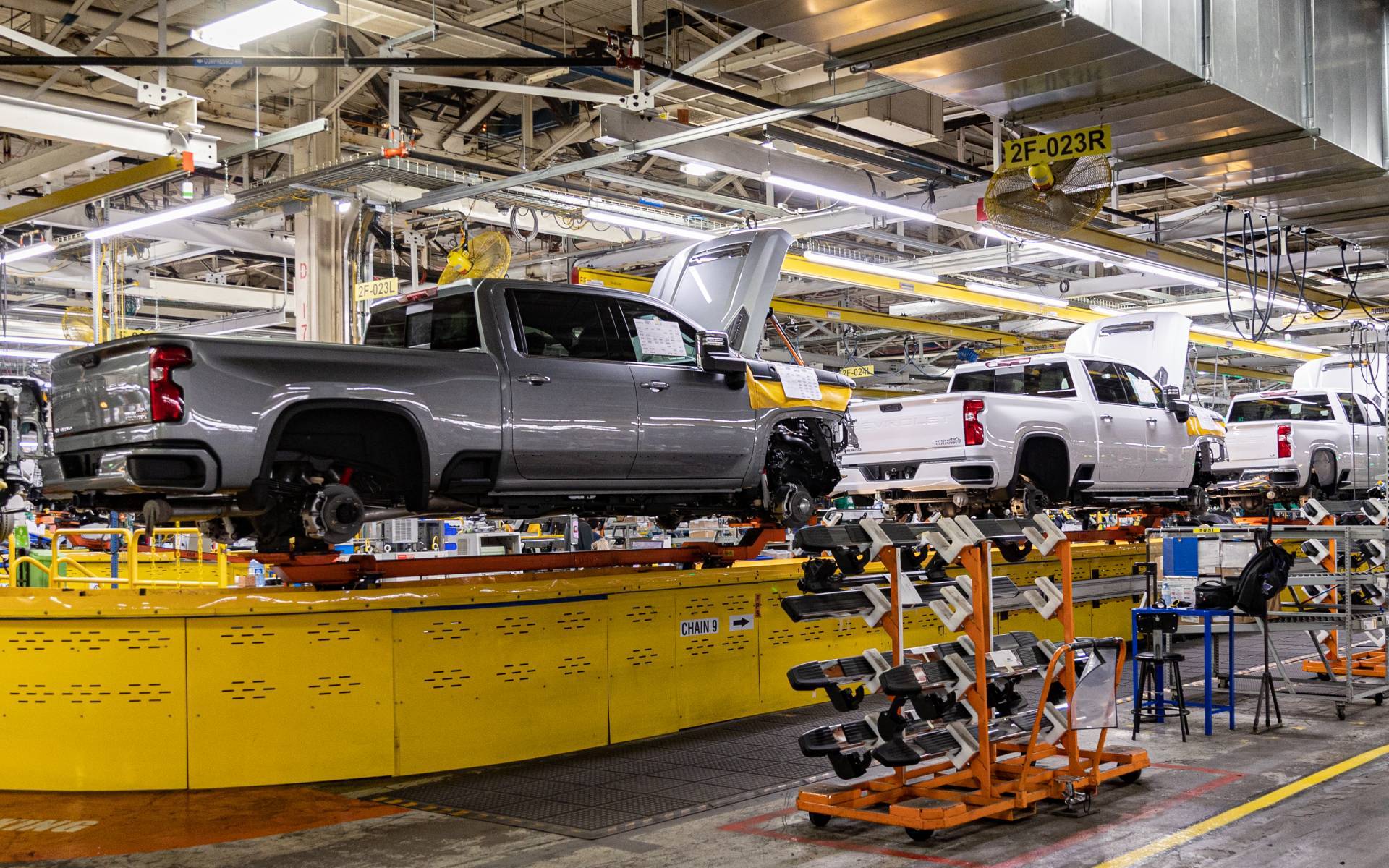
The announcement of customs tariffs on the automotive sector immediately sent automaker shares tumbling: in the afternoon, Ford was down 1.55%, General Motors was down 1.65%, Tesla was down 6.63% and Stellantis was down 2.01%.
American automakers have overseas plants that supply the American market, mainly in Canada and Mexico.
The North American automotive industry is deeply integrated, with production processes divided between the USA, Canada and Mexico. Over the years, trade agreements such as the ACEUM have strengthened the integration of the automotive sector by facilitating the cross-border flow of parts and materials.
According to law firm BLG, in 2023, Canada and Mexico collectively exported over $210 billion worth of automotive products, including parts, new passenger vehicles and light trucks, as well as medium and heavy trucks, to the United States.
Carney proposes an all-Canadian network
On Wednesday, Liberal leader Mark Carney unveiled his party's plan for the country's automotive sector, which includes the creation of a $2 billion strategic intervention fund. He pledged to build an all-Canadian automotive network.
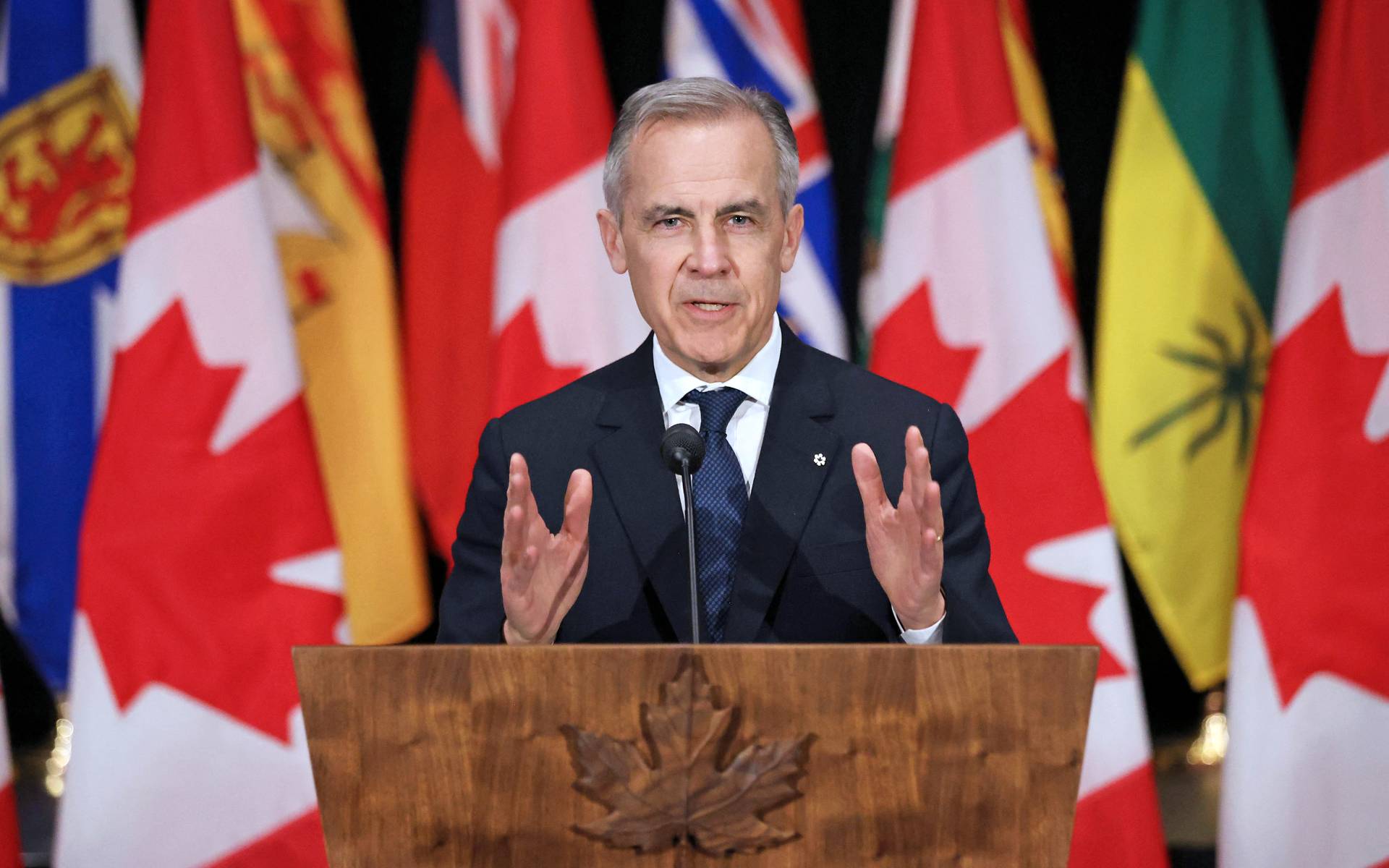
Speaking at a campaign stop in Windsor, Ontario, Carney said the money would protect the jobs of workers affected by Trump's tariffs and “strengthen the entire Canadian automotive supply chain, from raw materials to finished vehicles,” according to Global News.
As part of the Liberal plan, Mr. Carney said his government would build an all-Canadian network for automotive manufacturing components to prevent parts from crossing the border several times before final assembly, which he said is a “huge vulnerability” in the event of a trade war.