

10 French cars perfect for Quebec
Quebec motorists have always been attracted to small, fun, efficient... imported cars. There are many recent examples of this (Honda Civic, Mazda3, Nissan Micra, etc.), but if you go back to the 60s, 70s and 80s, you'll find a strong attachment to French cars.
The Citroën 2CV and Renault 5 are probably the best-known examples of Quebec's fascination with cars of French origin, but what if the exercise were repeated in 2025?
These days, the French automotive industry may no longer count on some of its most flamboyant icons, but there are still a few names that could find some success on this side of the Atlantic. We've taken a look at the best of what's on offer in France - with the exception of Dacia, a Romanian brand owned by a French group - and compiled a list of 10 models that could quickly become local favorites if marketed in la Belle Province.
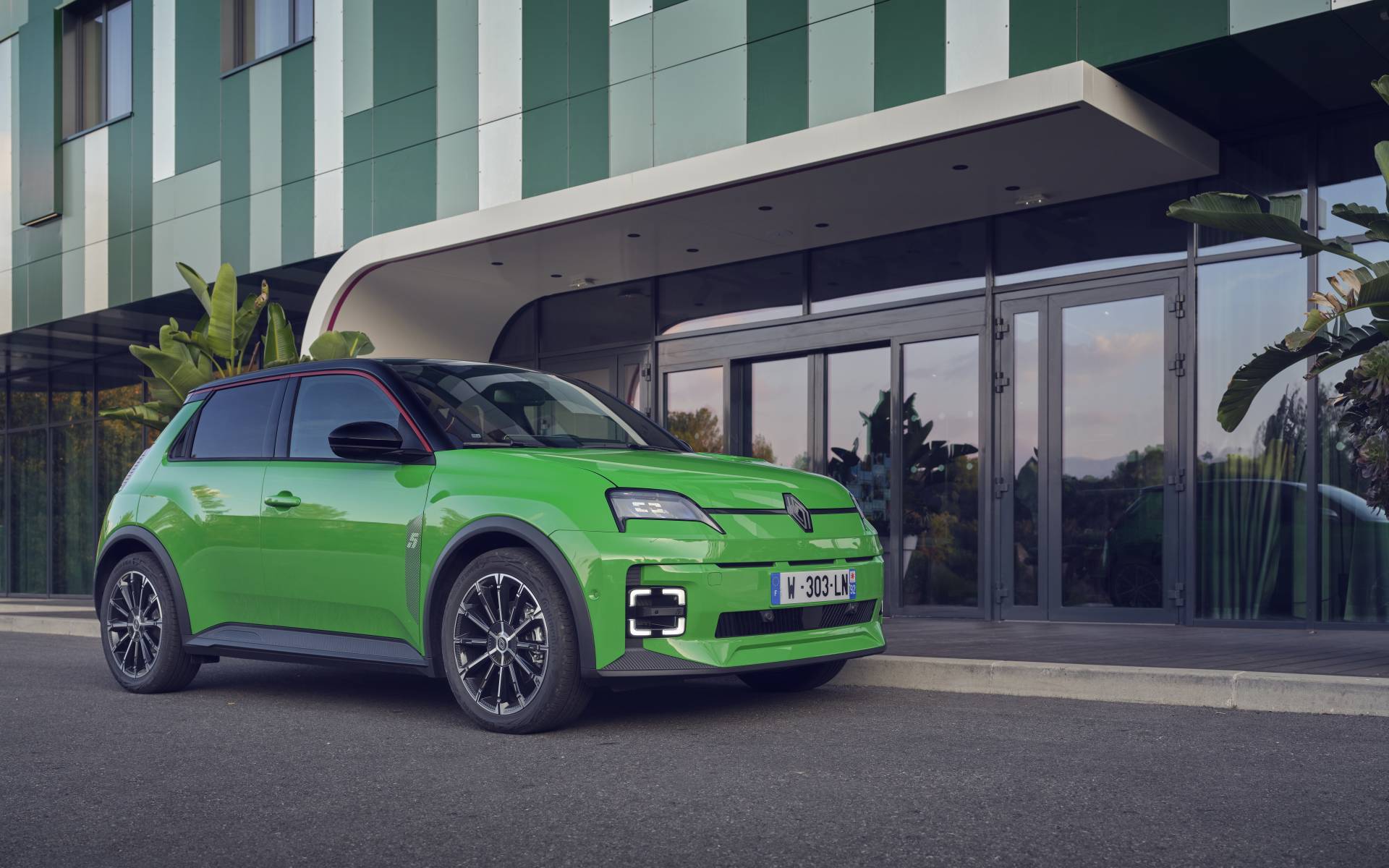
Renault 5 E -Tech
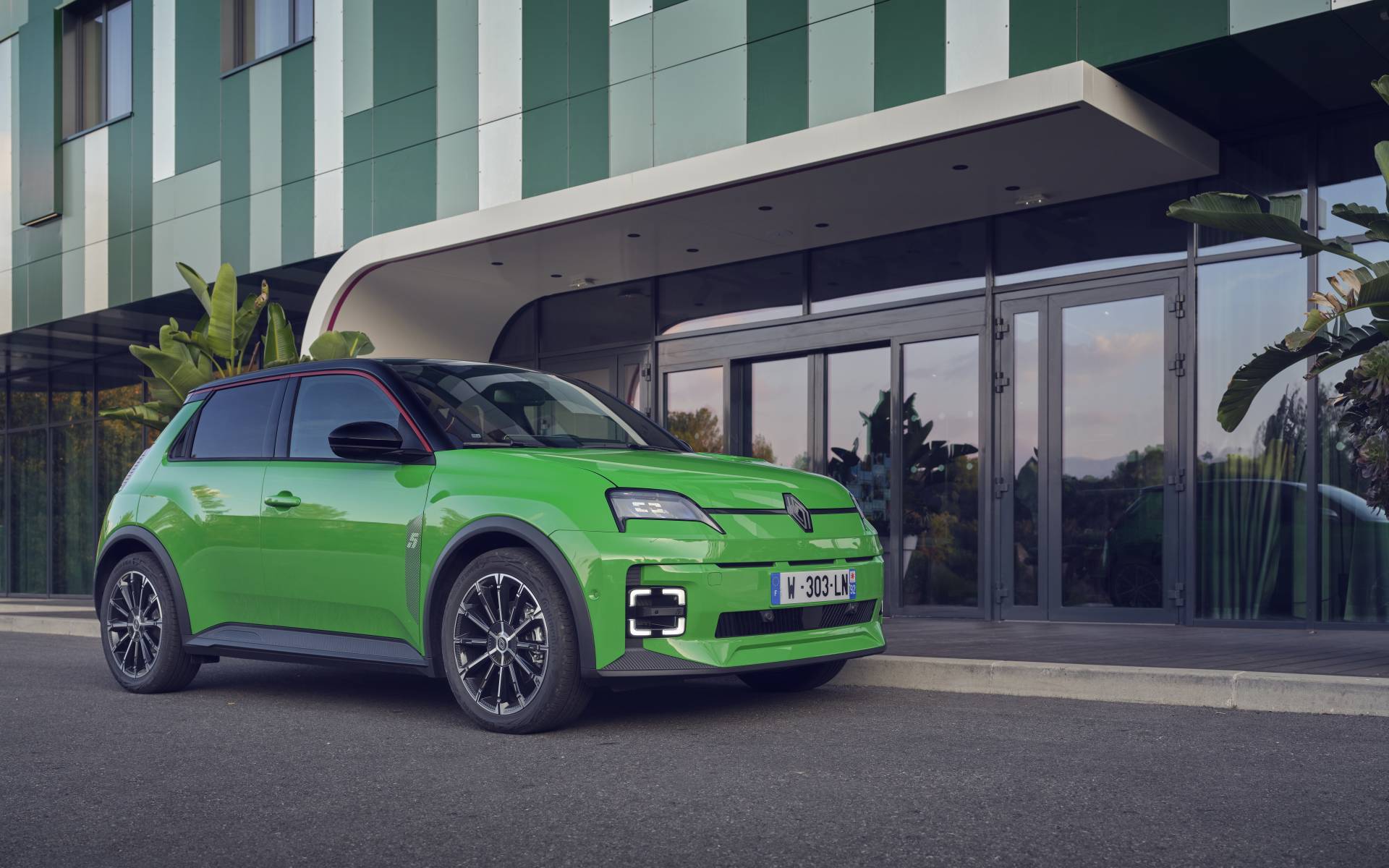
Our colleague Julien Amado had the chance to test drive one just a few months ago, and if his comments are anything to go by, the Quebec public is likely to fall in love with the French manufacturer's city car very quickly. Admittedly, its elitist price and range - it's a pure electric after all - are not its greatest qualities, but in terms of driving pleasure, the modern R5 seems to have all the ingredients to please small car enthusiasts.
Renault 4 E -Tech
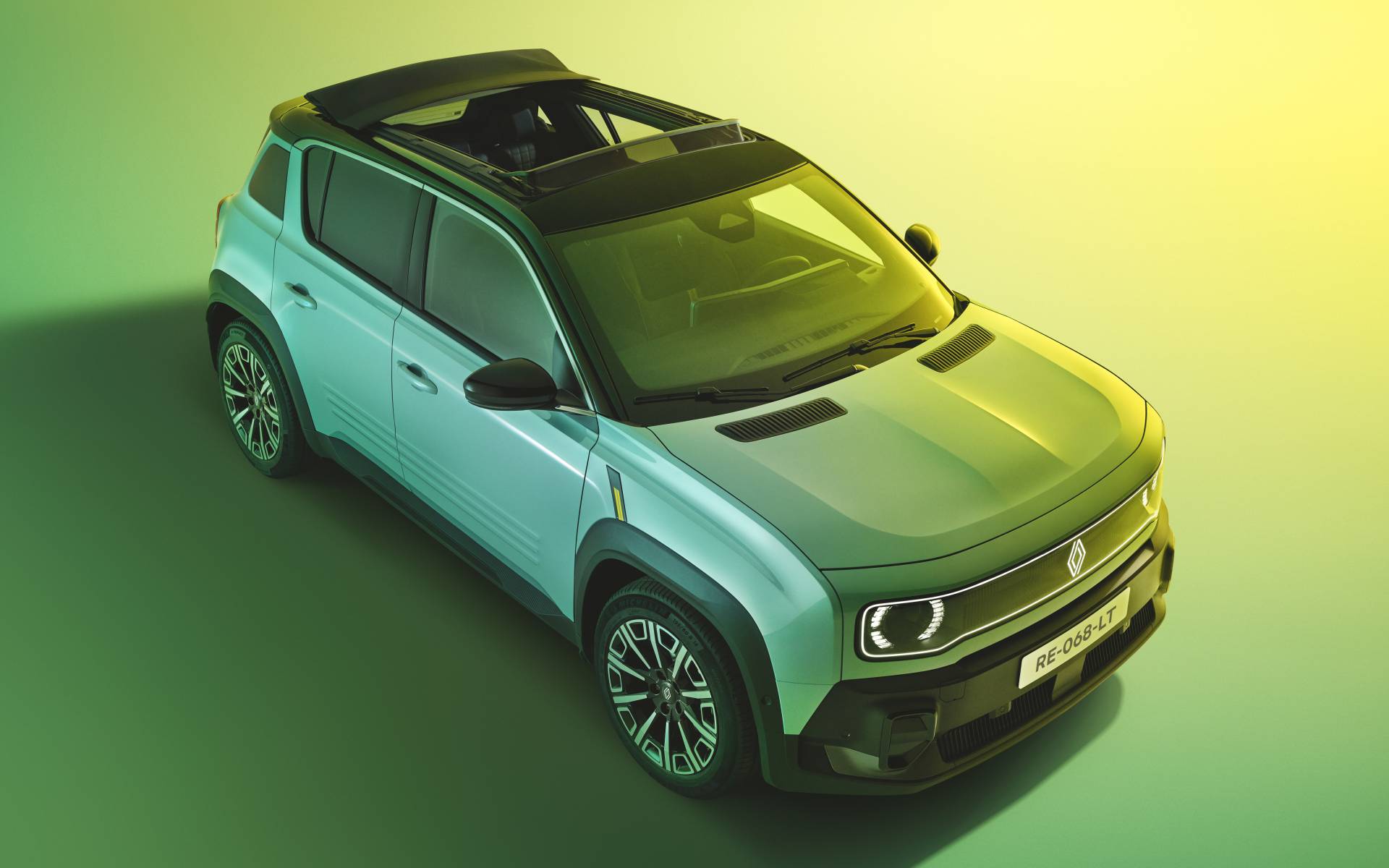
Unveiled in autumn 2024, this other Renault electric model draws on its history to appeal to a public that wouldn't hesitate for a moment to return to the past - at least in terms of ambience - for its daily commute. Slightly larger than the Renault 5 E-Tech, the Renault 4 E-Tech offers essentially the same technical features as the other, which has already been in service for just a few months. And with a more utilitarian look than that of the R5, this electric R4 would potentially be better received by the rest of the North American continent.
Citroën C3 Aircross
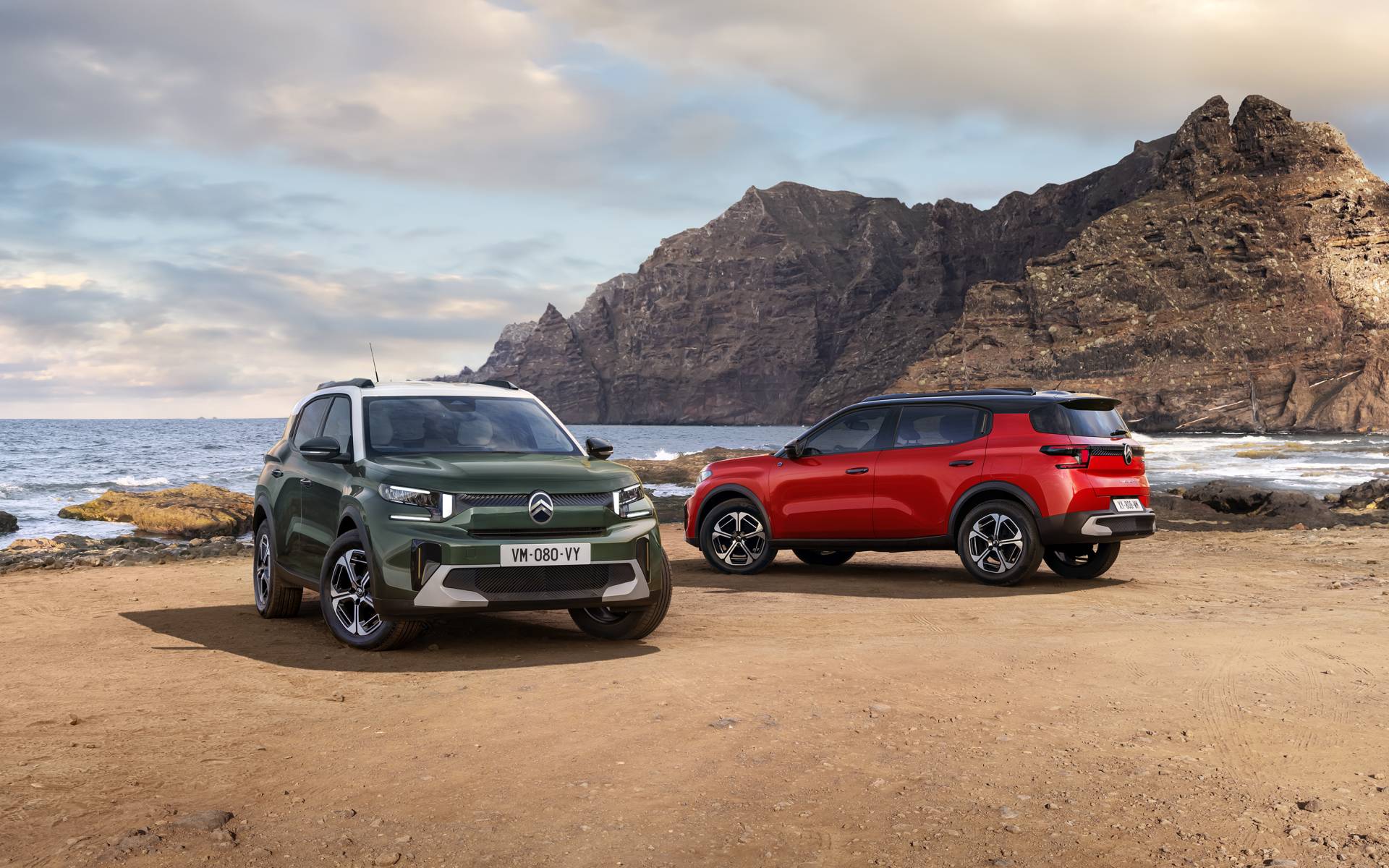
Let's stick to the sub-compact crossover segment, shall we? The manufacturer with the chevrons left an indelible mark on the industry with the 2CV and DS, but these days, even French motorists are attracted by the utility manna. There, full-size pachyderms aren't popular, but smaller models like this C3 Aircross are proving to be better suited to the roads of the old continent. By way of comparison, the vehicle's dimensions are similar to those of the current Volkswagen Golf GTI. On the other hand, the gasoline engine (formerly called PureTech), plagued by reliability problems, wouldn't last long in Quebec. But the format is perfect for our market.
Dacia Sandero Stepway
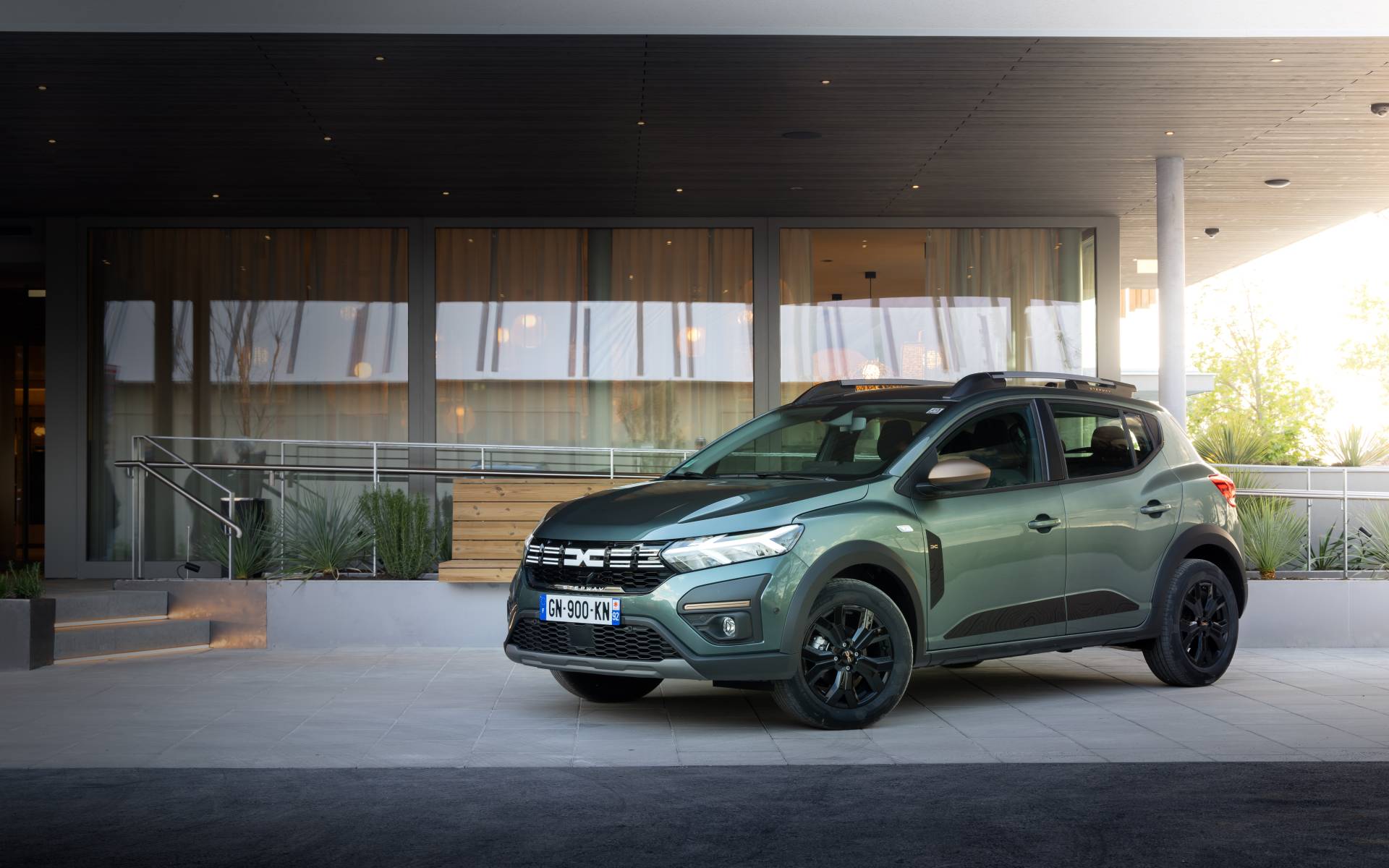
Belonging to the Renault Group, the Romanian brand Dacia is obviously not of French origin, but with the sharing of platforms, we can say that there is at least a little bit of France onboard this city car transformed into a compact crossover. The appeal of the Dacia range lies in its price compared to the competition. Indeed, with the current exchange rate (early April 2025), this adventurer-style car would be priced around $25,000 here. This was already the case when we tested it a few years ago.
The “non Stepway” version of the same Sandero would have a Canadian price of $20,000 in Quebec. With inflation in recent years, the North American market needs more of these affordable models.
Dacia Duster
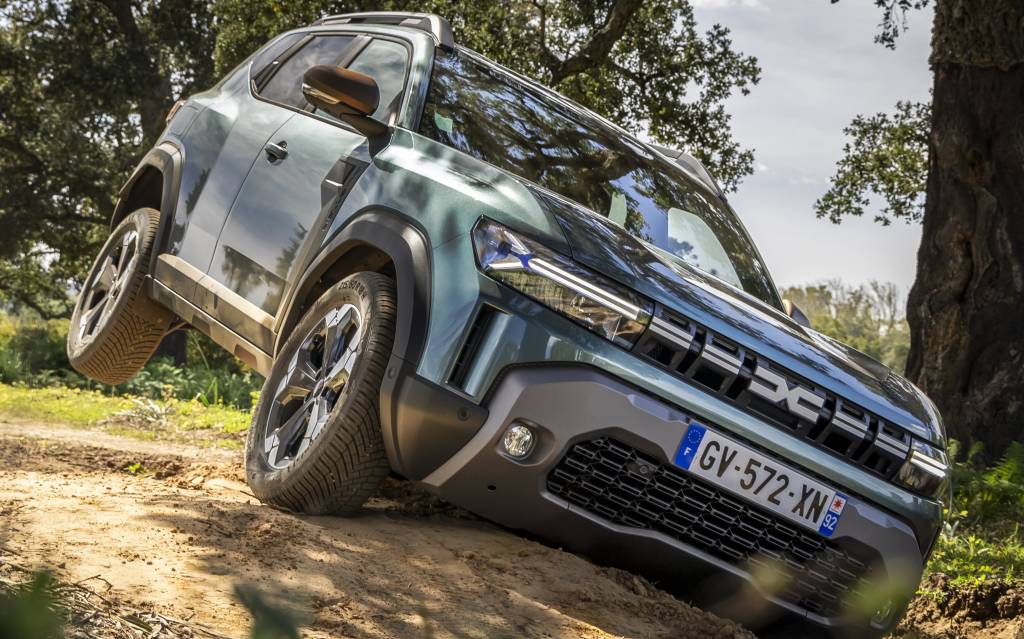
Let's stay with Dacia a little longer, because with the fashion for SUVs and crossovers, we've fallen head over heels for the Duster, which ironically is also marketed under the Renault umbrella, particularly in South America. Like the rest of the Dacia range, the Duster is another example of a vehicle that is not sold at an unattainable level. With a price tag equivalent to $31,000 (in Canadian dollars), the SUV deserves its place among the sub-compact SUVs.
Renault Espace
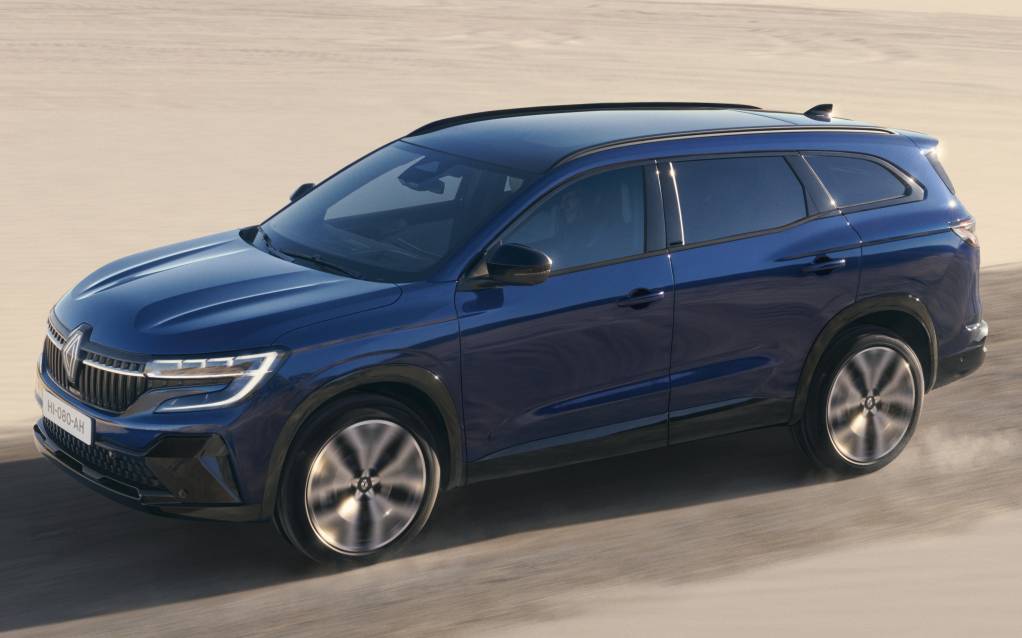
When Chrysler launched the Autobeaucoup in the fall of 1983, little did it know that it had just unveiled a model that would save the American automaker. But it took losing the title of the world's leading minivan producer to a French manufacturer: Renault. Indeed, with the launch of the Renault Espace in July 1984 - just a few months after that of the Chrysler minivan - the French manufacturer came close to eclipsing Chrysler. In fact, the North American public could have even benefited from the model imagined by Renault thanks to the AMC division, but Chrysler's takeover of the fourth-largest American manufacturer put an end to the project. Today, the Renault Espace looks more like an SUV, but this family-friendly format is still appreciated on this side of the Atlantic.
Citroën Holidays
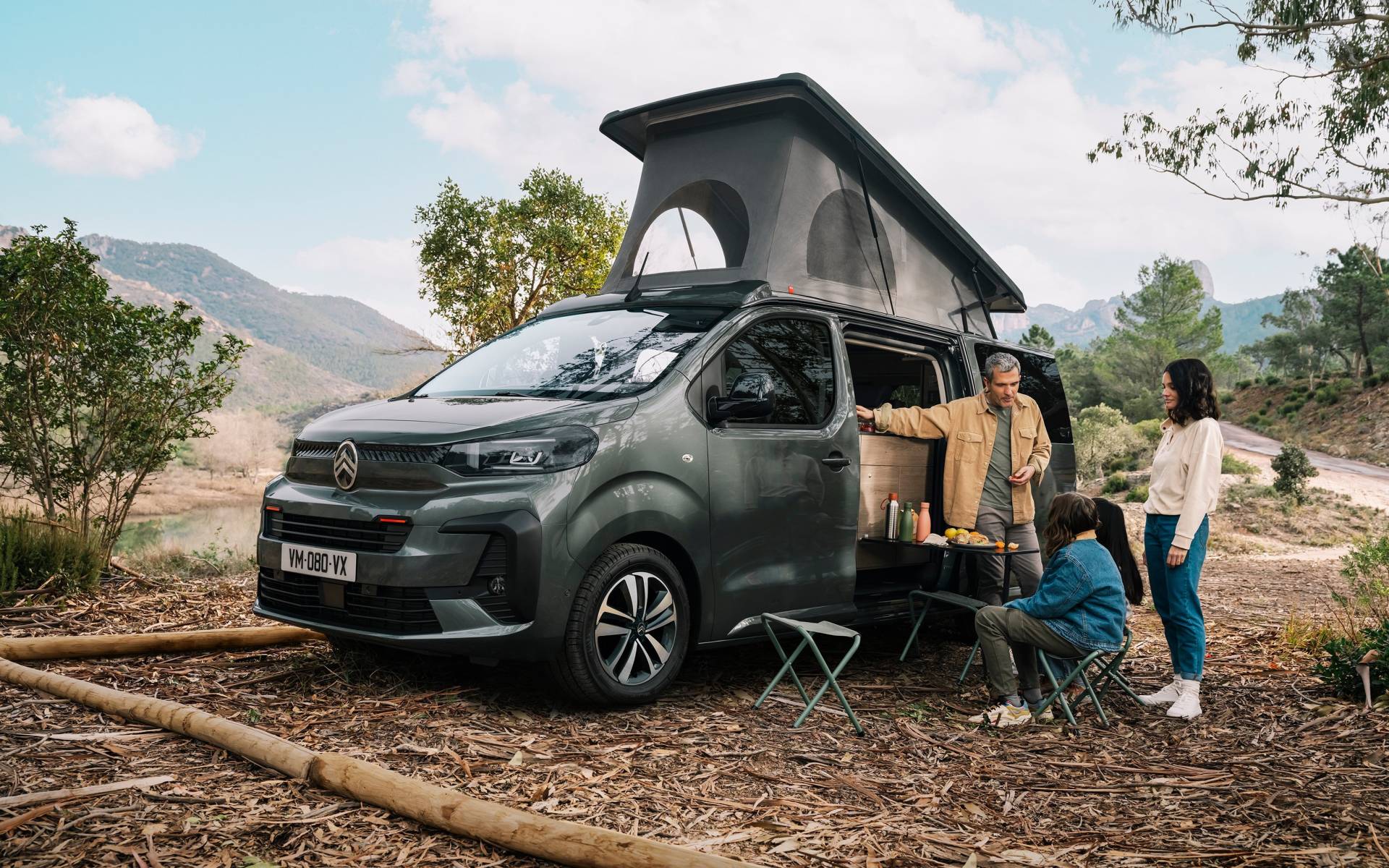
In the same vein as Renault's Espace, the van designed for camping escapades, dubbed Holidays by the brand with the chevrons, would be a fine alternative to vehicles converted for outdoor living. And with its reduced dimensions, this house on wheels would be ideal for couples.
DS N°8
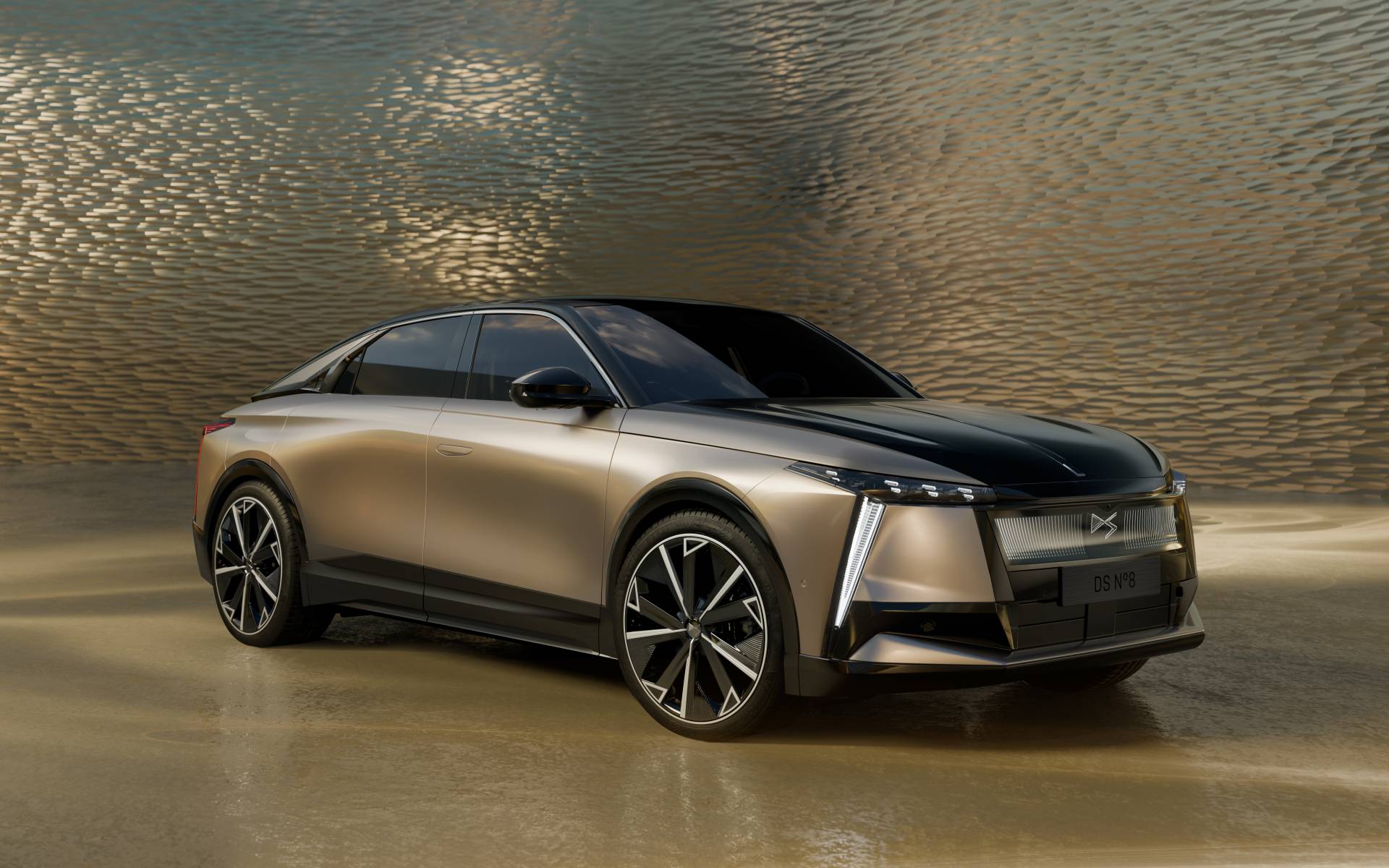
Who doesn't remember Citroën's timeless DS? The French grande dame who revolutionized automotive design in the 50s is one of the undisputed icons of the Hexagone auto industry. In fact, that's why Citroën launched this other division, known simply as DS, in 2014. More recently, however, under the direction of the giant Stellantis, DS has a much more elitist outlook.
Indeed, the automaker is said to have Rolls-Royce and Bentley in its sights, no less. With the recent unveiling of the N°8, a large luxury sedan with a sharp design, the French luxury brand has rightly indicated that it wants to move away from its modest roots. For design and comfort, we say yes, but for the alternative to the two British houses, we have serious doubts about the feasibility.
Alpine A110
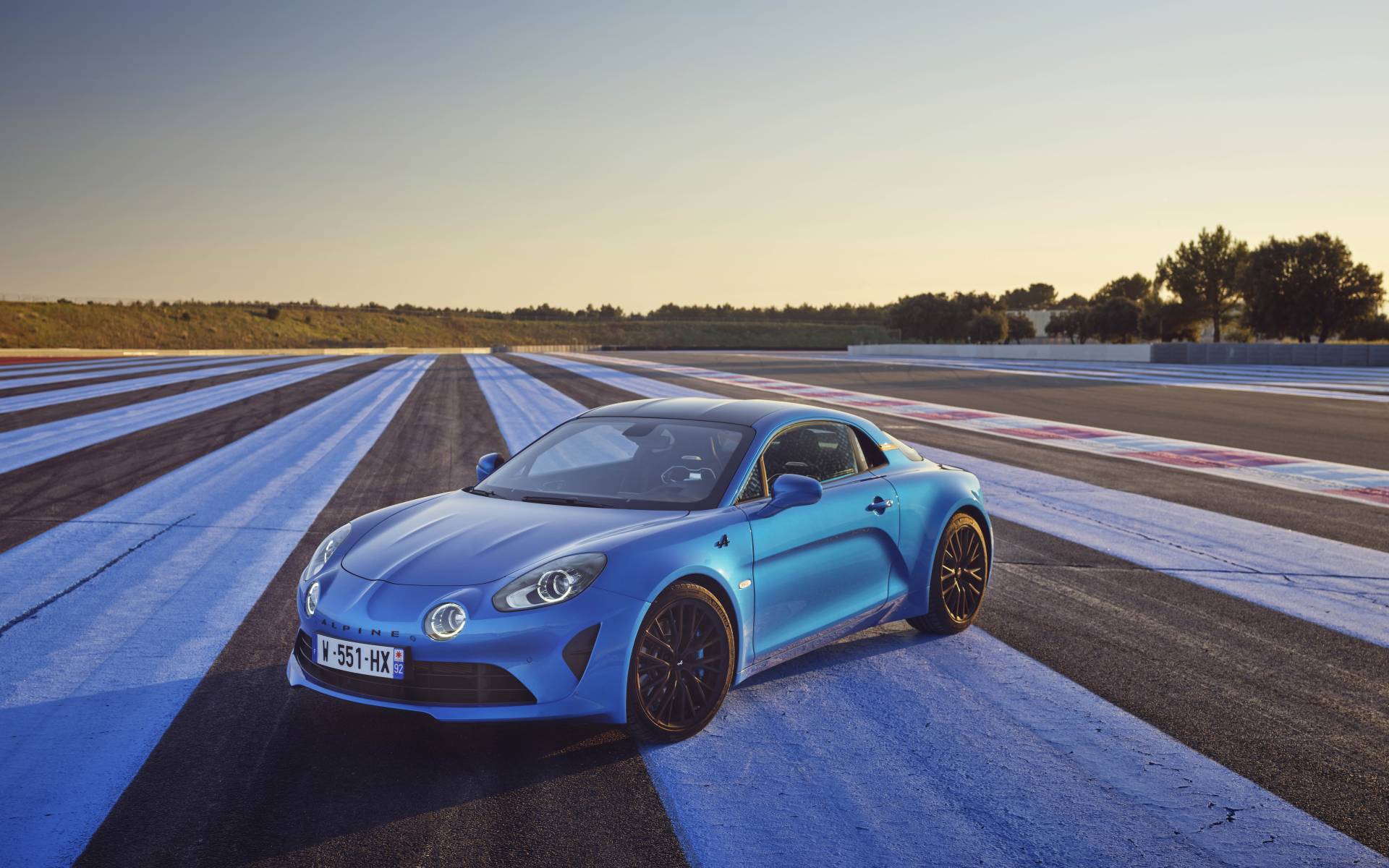
Like a gourmet meal, we've saved the best for last. The Alpine brand has been in the spotlight in recent campaigns for its involvement in the wonderful world of F1. But we shouldn't forget that this sporting brand, associated with the Renault group, has been making driving enthusiasts dream for a very long time.
Launched in 2018, the modern reincarnation of the legendary A110 is a rather original alternative to a Porsche Cayman or Lotus Emira, for example. A car that impressed us greatly when we tested it in 2019. Not only does the line respect that of the first A110 to appear in the 60s, but the performance potential is well and truly present. With a 1.8-liter turbocharged 4-cylinder, the A110 S develops 300 hp, all of which is sent to the rear drive wheels via a seven-speed dual-clutch gearbox.
In this case, it is still possible to believe, as the manufacturer has confirmed its intention to come to North America. Now, we just have to see which models will make the journey across the Atlantic.
Peugeot 208
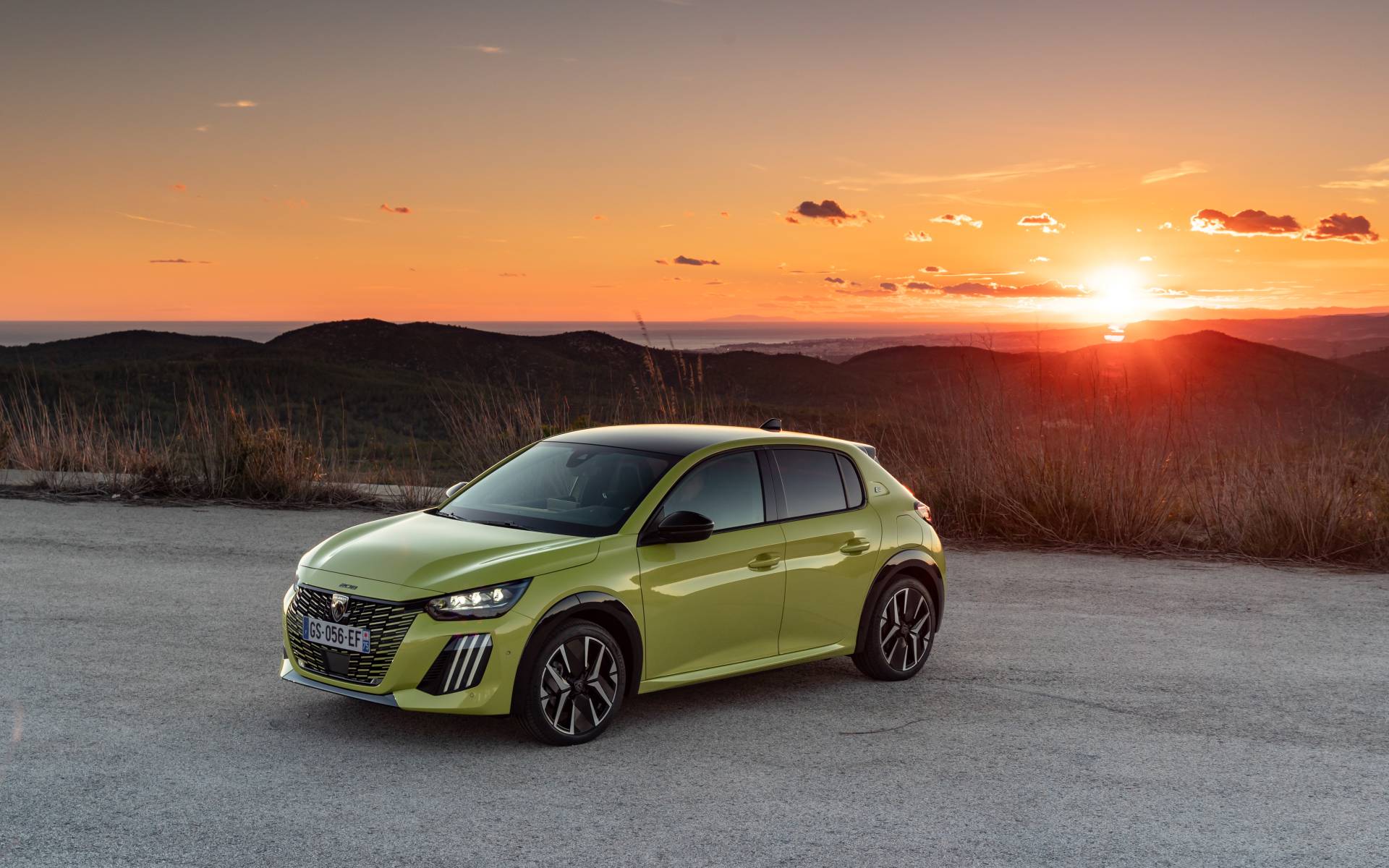
Peugeot, another member of the Stellantis empire, is not strongly represented on this list of 10 models. It has to be said that the brand has seen better years, at least in terms of its degree of desirability. But, since the Quebec public still loves small urban cars, the 208 is a worthy replacement for the defunct sub-compact category. The 208 is also available with an electric motor.
The problem in this case is that the 208, in its most affordable livery, would command a base price of almost $30,000 if current conversion rates (early April 2025) are anything to go by. But since we're in the realm of speculation, we're entitled to dream a little. In any case, subcompacts have fallen out of favor in North America, with the exception of Quebec, where there's still a certain craze.