

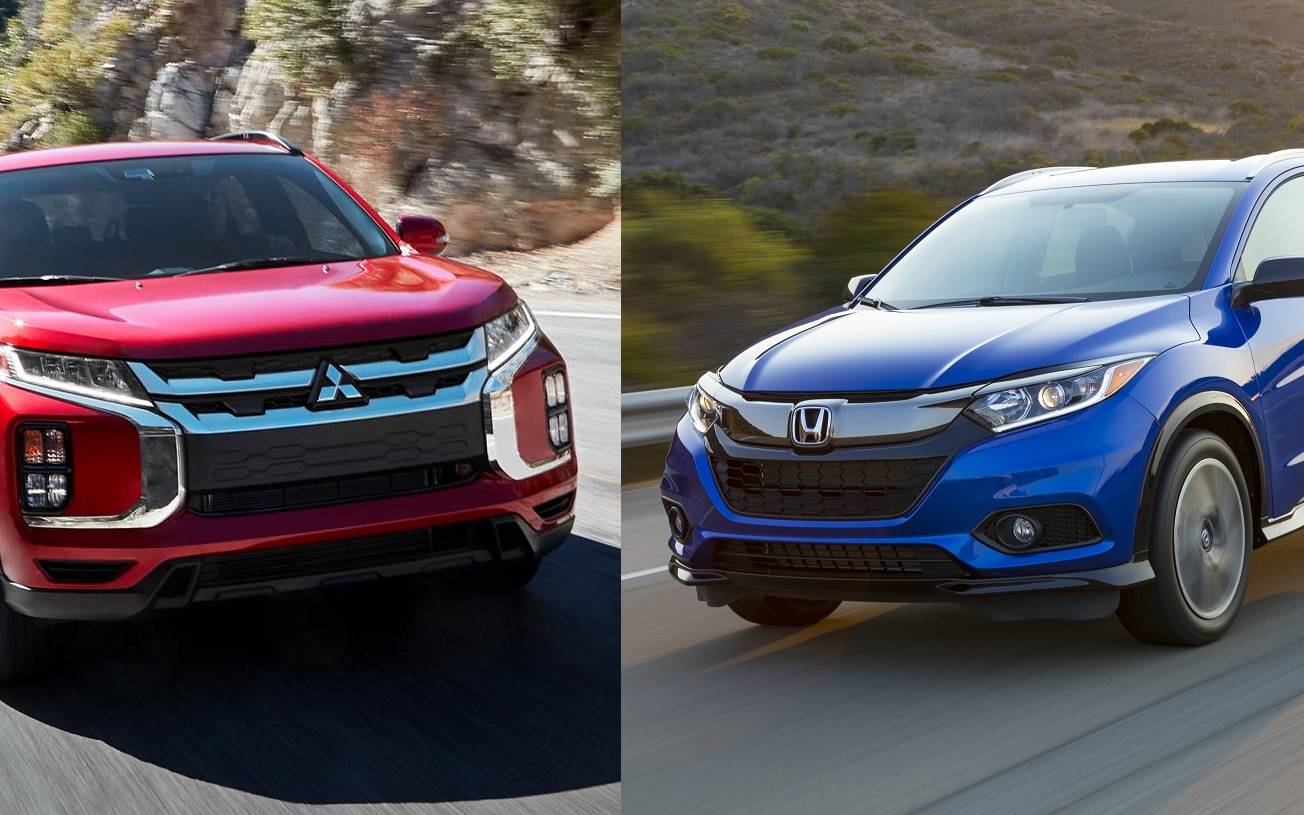
A new Mitsubishi RVR or a used Honda HR-V: Which one should you choose?
Looking for a subcompact SUV? There’s a wide selection to choose from, especially when you consider used models. Your budget can make all the difference, of course.
This brings us to a dilemma recently raised by a reader of the Car Guide. The reader was considering, on the one hand, a brand-new 2026 Mitsubishi RVR and, on the other, a 2020 Honda HR-V with about 80,000 km on the odometer. Which one should he choose?
First of all, it’s important to note that the RVR has been in production since 2011. Its advanced age is reflected in a spartan interior that lacks refinement, outdated technology, and high fuel consumption. And let’s not forget its poor sound insulation.
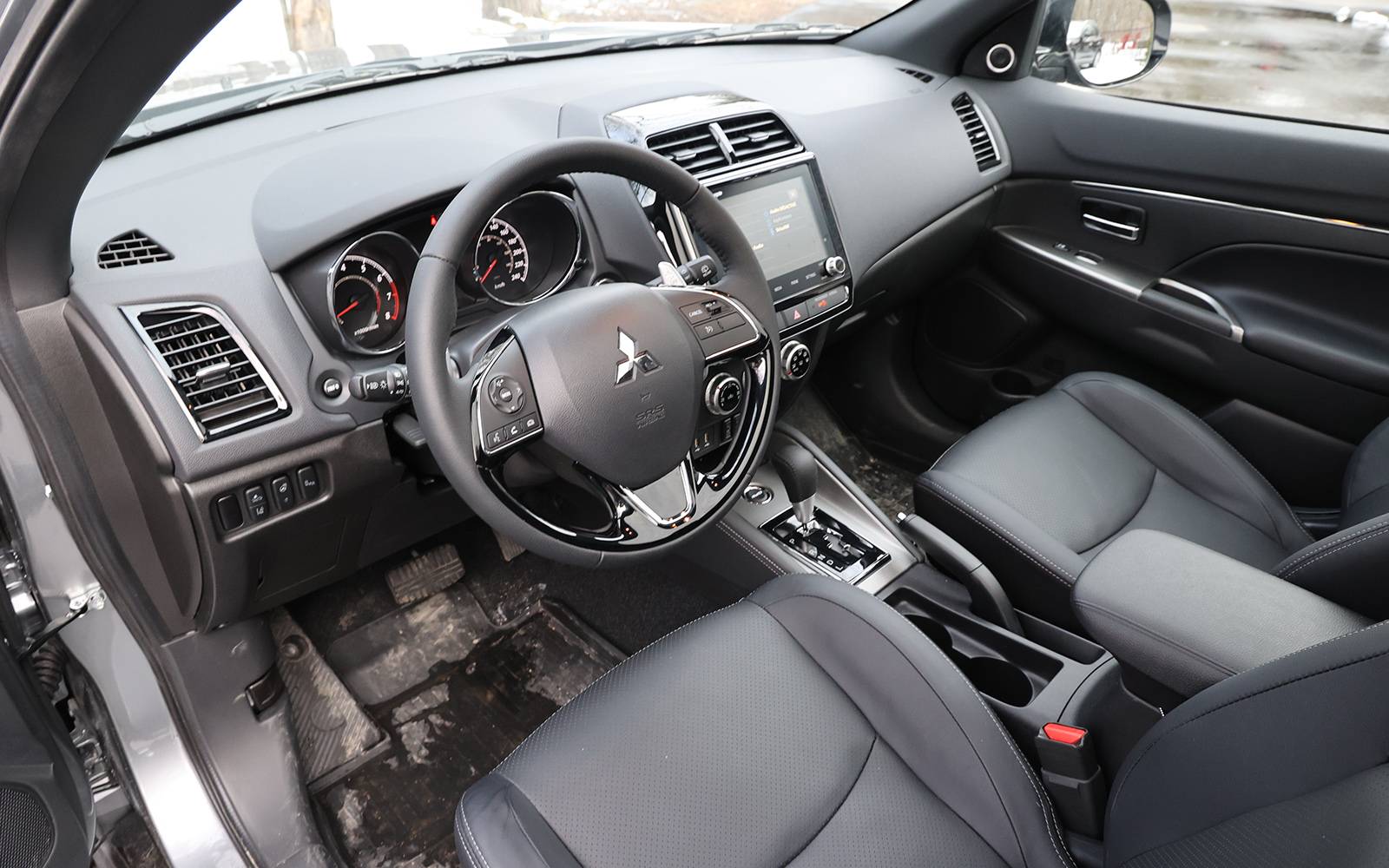
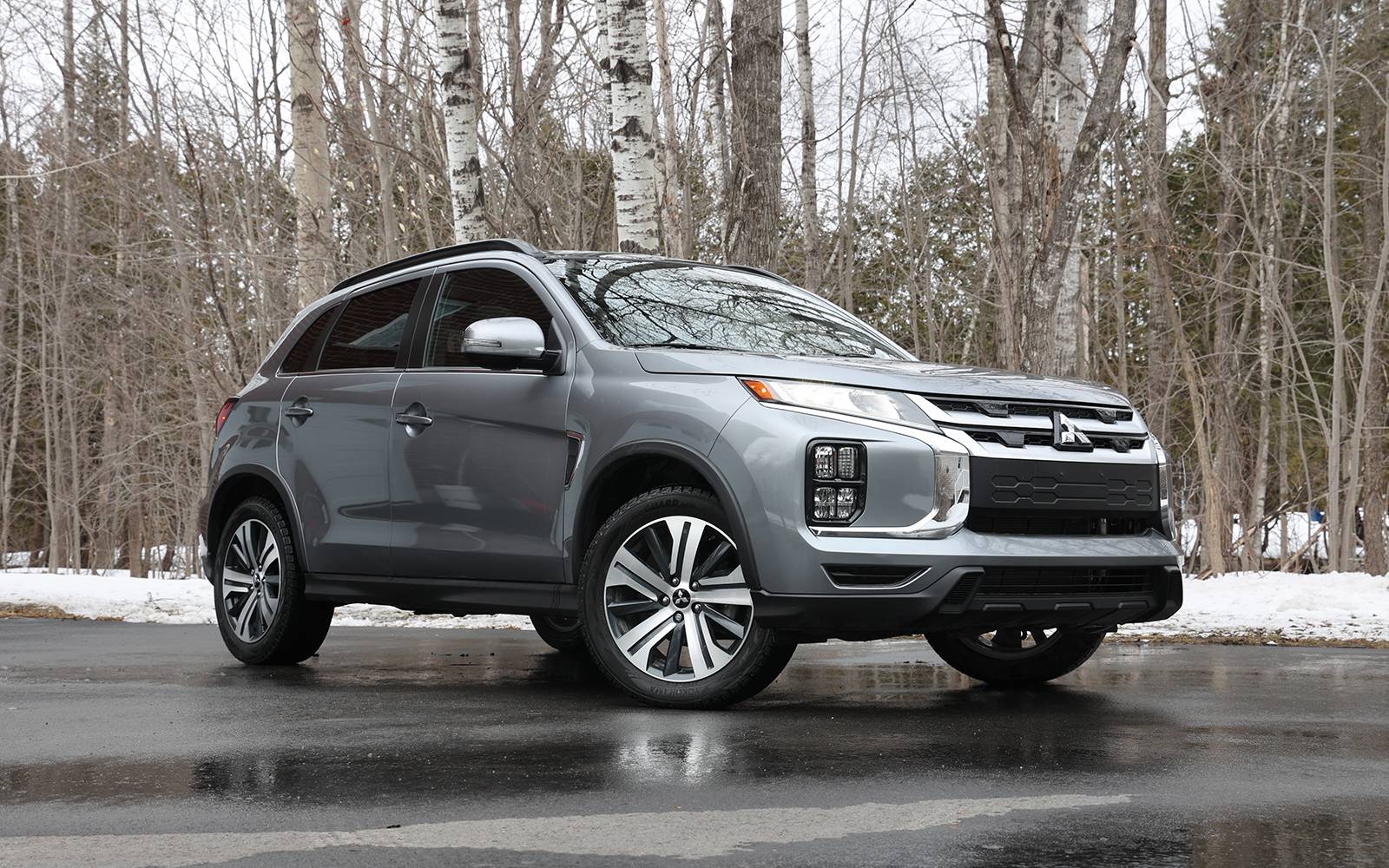
On the other hand, it’s easy to drive and comes with a fairly capable all-wheel-drive system that provides peace of mind on snowy roads. It’s reliable, and its ownership costs are reasonable. As an added bonus, it comes with Mitsubishi’s exceptional warranty, which covers the powertrain for 10 years or 160,000 km.
All in all, the RVR 2026 offers good value for the money as well. It’s the second-least-expensive SUV/crossover on the market, starting at $27,848 (fees included) for the base model or $29,848 with all-wheel drive. The fully loaded model, however, comes in at nearly $39,000, which is certainly excessive compared to other newer competitors. The good news: interest rates are attractive, at 3.49% for leasing or 1.99% for purchasing (or even 0% over 36 months with the current offer).
On the other hand, a used HR-V that’s five to six years old, like the one that prompted the question in our article, costs about $20,000 to $22,000 for an entry-level LX model. Expect to pay a little more for low mileage. Honda’s small SUV, which is also very reliable, retains excellent resale value—higher than that of an equivalent RVR.
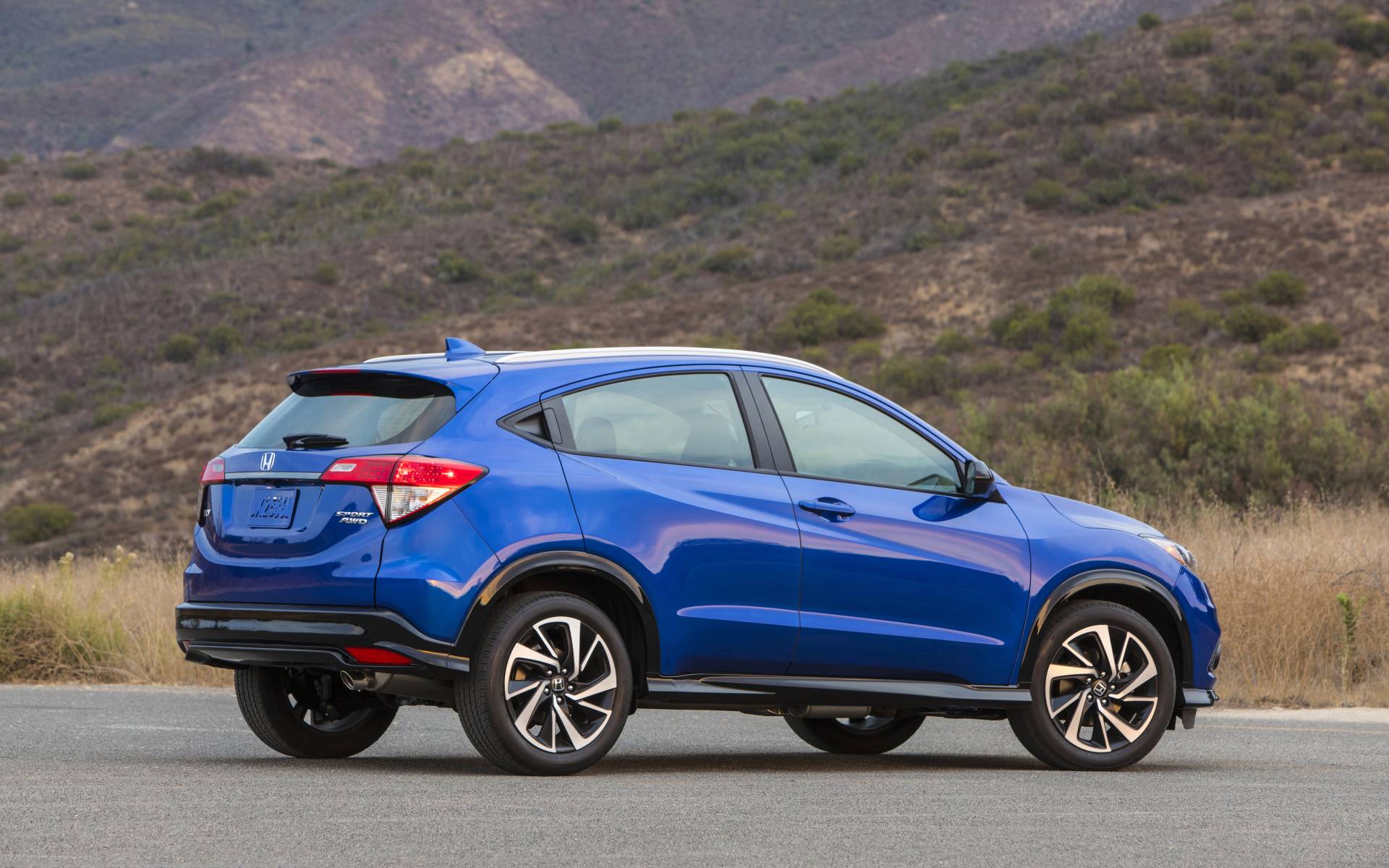
Another strength it has over its Mitsubishi rival is cargo space. Its 657-liter trunk expands to 1,665 liters when the rear seat is folded down. Additionally, the rear seat (called the Magic Seat) features a lift-up seat cushion to maximize cargo capacity. The RVR offers no more than 614 and 1,402 liters, respectively.
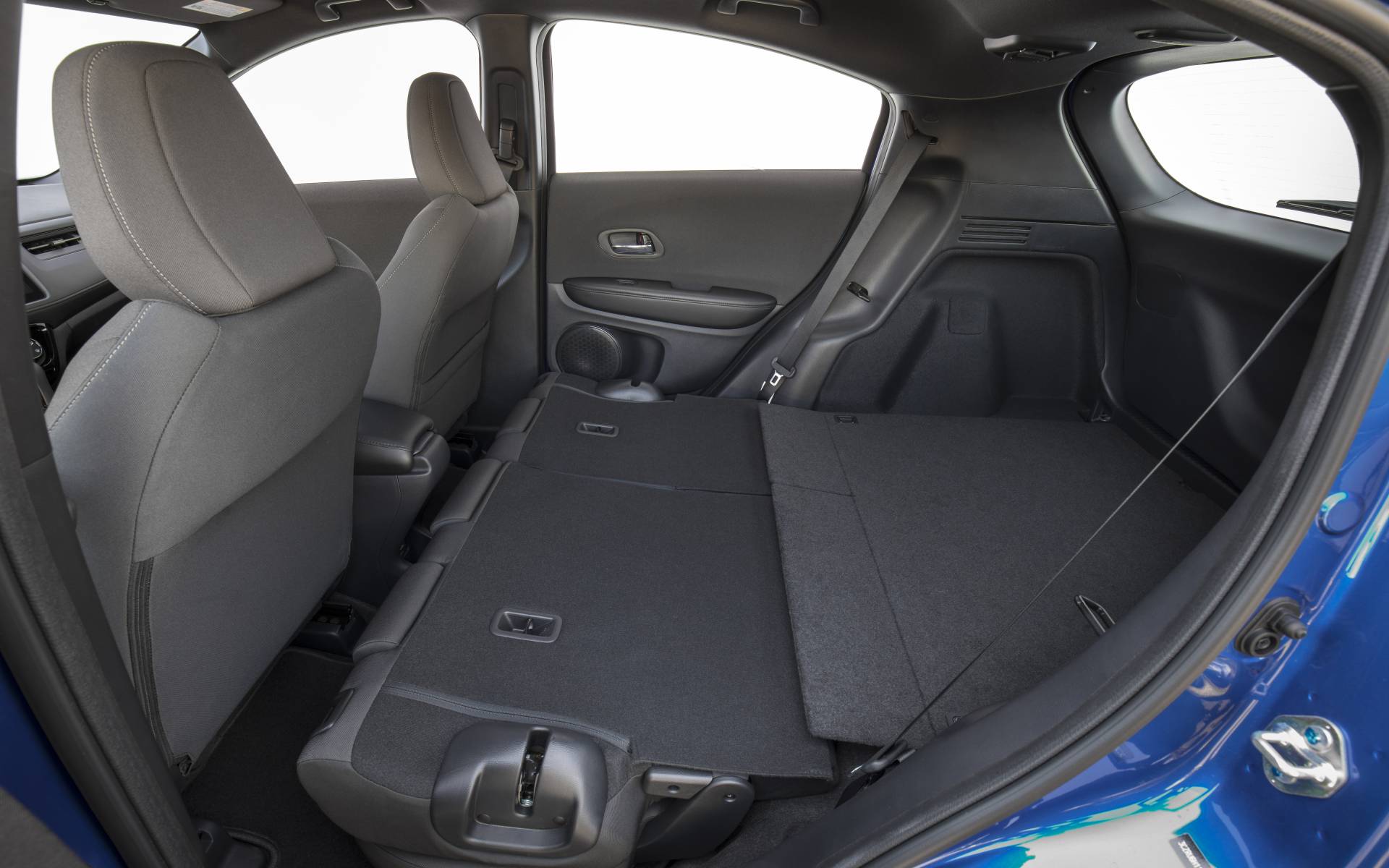
Both vehicles are equipped with engines that aren’t particularly quiet and have modest power, with 141 chevaux for the HR-V and 148 chevaux for the RVR, though the former is more fuel-efficient: 7.8 or 8.2 L/100 km versus 8.8 or 9.2 L/100 km, depending on the drivetrain. It’s worth noting that some high-end RVR models come with a 168-chevaux engine that gets 9.4 L/100 km.
Finally, keep in mind that the 2026 RVR isn’t really any better equipped in terms of active safety features and driver-assistance systems, since the 2020 HR-V offered the Honda Sensing suite with adaptive cruise control, automatic emergency braking, and lane departure prevention. Similarly, the multimedia experience is comparable, as both models are compatible with Apple CarPlay and Android Auto.